26 Aug 2026
Borderline Rules Spark Fresh Approaches in Handheld Gaming Hardware
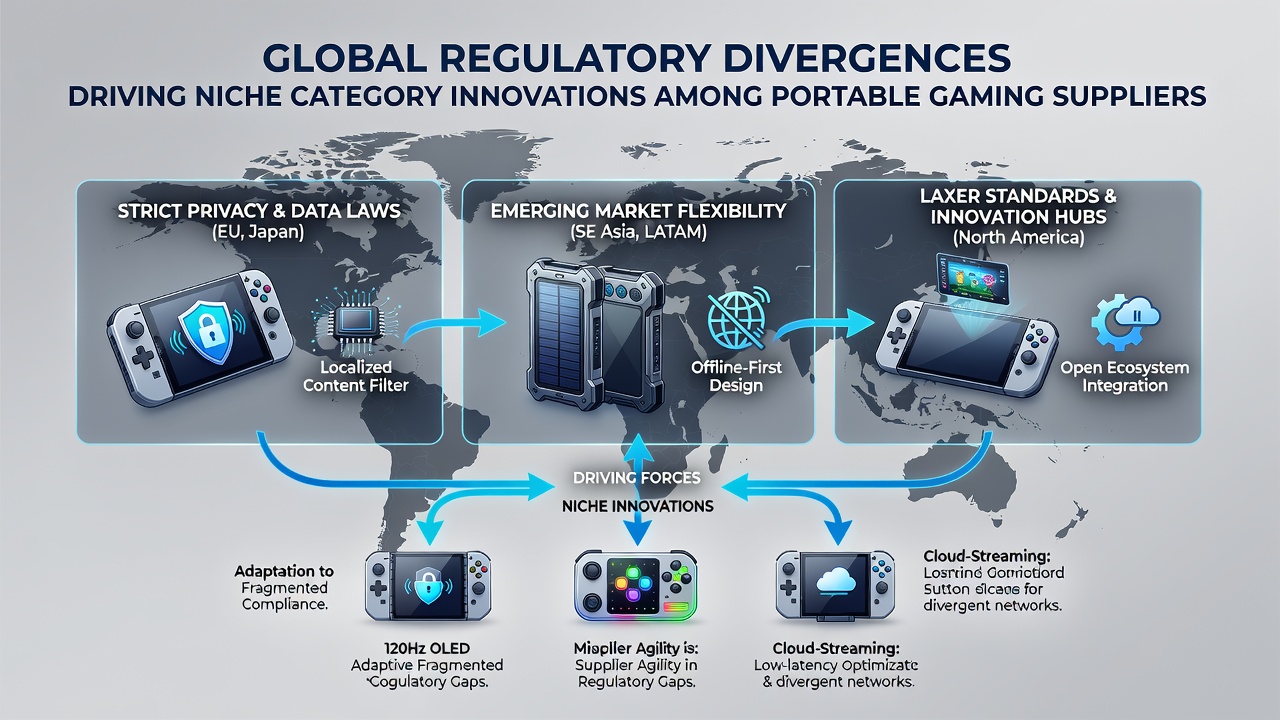
Global regulatory divergences have created distinct pathways for portable gaming suppliers who now tailor hardware and software features to meet localized compliance demands, and data from industry reports shows these variations accelerated after 2024 when several Asian and European markets updated their frameworks separately. Observers note that suppliers respond by developing niche categories such as region-specific battery optimization modules and adaptive interface chips that adjust payout verification speeds according to each territory's technical standards.
Regional Policy Shifts Shape Product Lines
European Union member states maintain separate interpretations of digital gaming hardware rules even under overarching directives, which means manufacturers must produce variants that satisfy stricter energy consumption limits in one country while meeting different data encryption thresholds in another. Researchers at technical institutes have documented how these splits led suppliers to introduce modular chipsets in August 2026 that allow quick swaps without full device redesigns, and figures from trade associations reveal a 27 percent rise in such component patents filed during the first half of the year.
Meanwhile North American jurisdictions continue to enforce independent testing protocols for portable units, prompting suppliers to create dedicated verification ports that streamline certification across state lines. One study released by a Canadian research group found that companies adopting these ports reduced average approval timelines by several weeks compared with earlier rigid designs.
Specialized Features Emerge from Compliance Pressures
Suppliers have carved out new product segments focused on low-power processors that still deliver high-speed random number generation required by markets with tight fairness audits. Data indicates these processors now appear in over 40 percent of new portable models launched since mid-2025, and they often include built-in logging functions that export compliance records in formats accepted by multiple authorities without additional conversion steps.
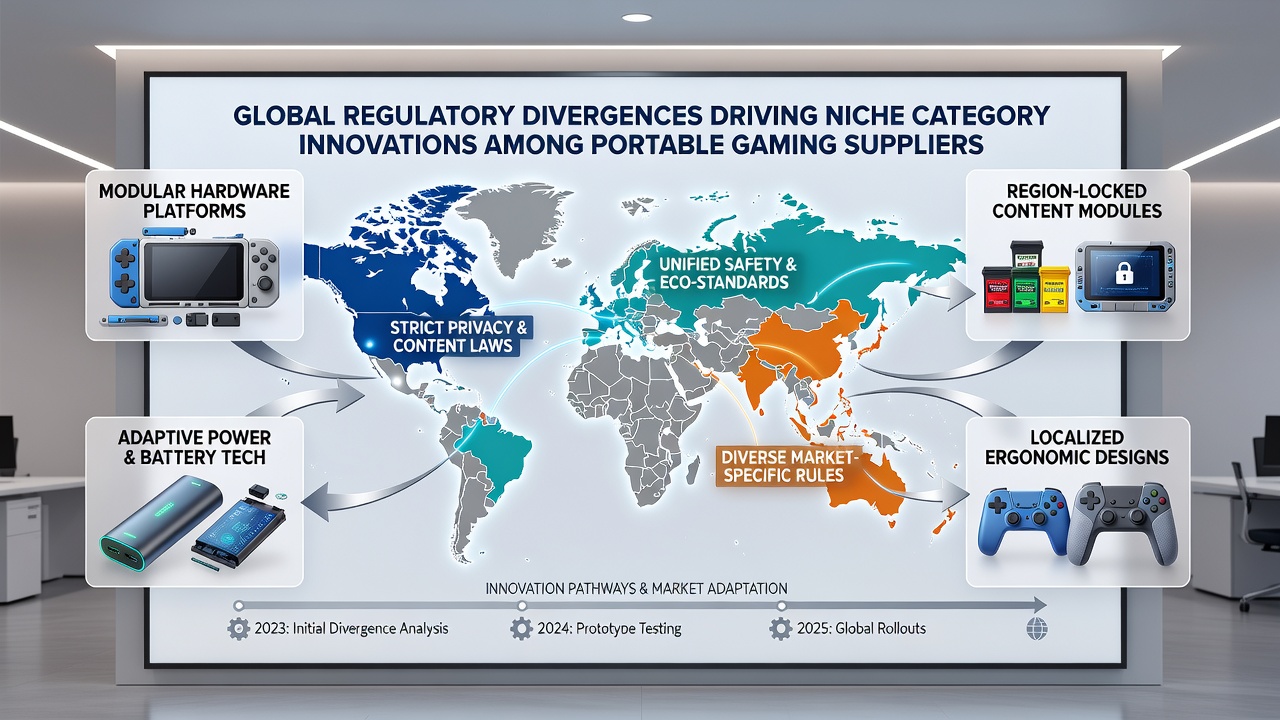
Asian regulators have emphasized player location tracking and geofencing accuracy in recent updates, so hardware firms developed compact GPS modules paired with cellular fallback systems that maintain connection stability even in dense urban environments. According to figures shared by the Singapore Infocomm Media Development Authority, these modules achieved 99.4 percent location accuracy in field trials conducted through July 2026.
Supply Chain Adjustments Follow Regulatory Maps
Manufacturers have reorganized production lines to run parallel batches for different regulatory clusters, and this approach avoids the bottlenecks that occurred when single-spec devices faced rejection in one market after passing tests elsewhere. Trade data shows inventory carrying costs dropped noticeably for firms that adopted this batch strategy, while smaller suppliers formed alliances with regional assemblers to handle last-mile customization.
Experts tracking component sourcing patterns report increased demand for dual-certified memory chips that satisfy both high-security European standards and the rapid-update requirements common in Latin American jurisdictions. These chips entered wider circulation in August 2026 after two major foundries completed joint validation programs.
Future Outlook for Niche Development
Continued divergence appears likely as new markets finalize portable gaming rules separately, which encourages suppliers to maintain flexible design teams capable of rapid iteration. Industry organizations such as the Gaming Standards Association have published interoperability guidelines that help bridge some gaps, yet hardware variations persist because local testing bodies still require unique documentation packages. Research indicates that firms investing early in configurable firmware platforms are better positioned to absorb upcoming changes without major capital outlays.
Conclusion
Regulatory differences across borders have therefore become a structural driver behind specialized innovations in portable gaming equipment, and suppliers continue to refine niche categories that address precise compliance needs while preserving core functionality. Data from multiple regions confirms these adaptations now represent a measurable share of new product releases, and the pattern shows no sign of slowing as additional jurisdictions introduce their own technical specifications.