14 Aug 2026
Cross-Border Player Movements Reshape Reel Mechanics in Underserved Connectivity Areas
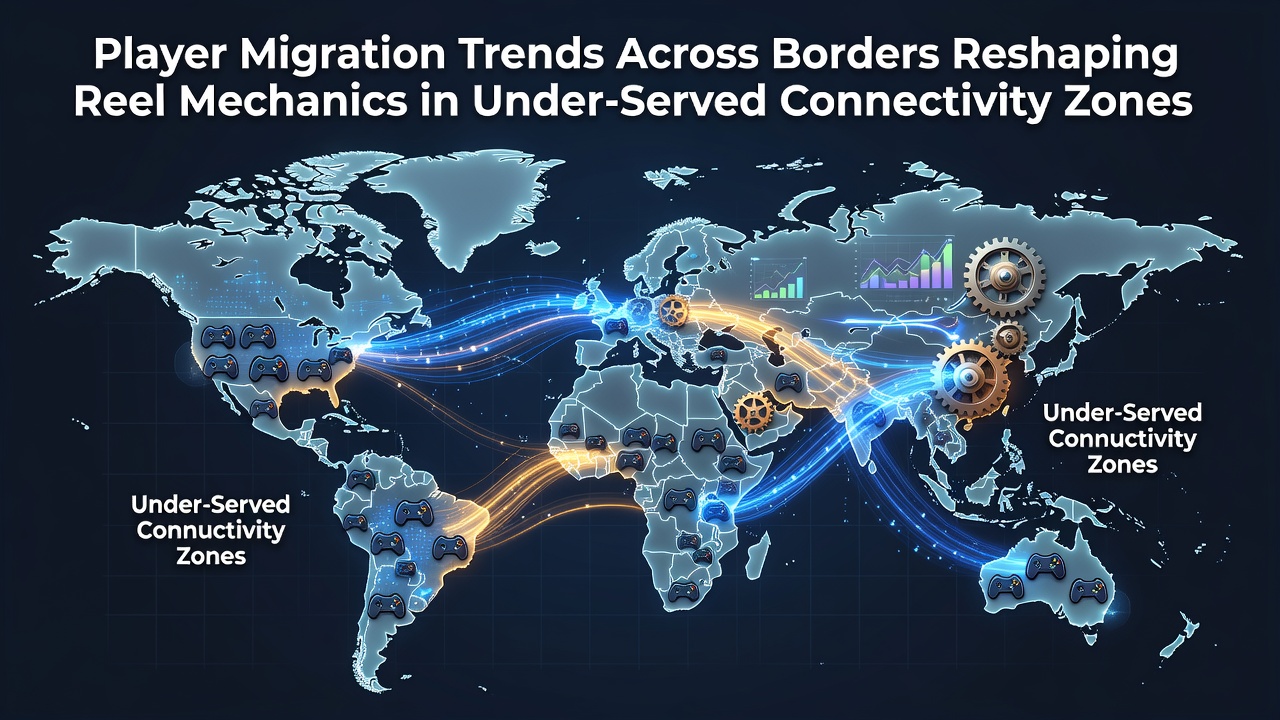
Player migration across national borders has prompted developers to modify reel structures in markets where internet access remains inconsistent, and data from industry reports shows these adjustments focus on reduced asset sizes along with simplified animation sequences that function reliably on variable networks.
Studies conducted through 2025 and into August 2026 indicate that seasonal labor movements from urban hubs in Southeast Asia toward rural zones in Africa and parts of Latin America correlate with increased demand for mobile slots that maintain core functionality despite intermittent connections, while providers respond by altering symbol weights and payline configurations to minimize data transfer requirements during play sessions.
Patterns in Player Relocation and Game Access
Observers tracking user data across multiple platforms note that individuals relocating from high-bandwidth environments often carry expectations of fluid gameplay into regions where cellular coverage drops below consistent thresholds, and this shift drives studios to incorporate adaptive loading protocols that prioritize essential reel spins over secondary visual effects.
Figures from the Global Betting and Gaming Consultants reveal that cross-border flows between 2024 and 2026 have concentrated player activity in areas previously considered marginal for advanced reel titles, prompting design teams to test versions with compressed graphics and offline caching options that preserve progress even when signals weaken.
Technical Adjustments to Reel Systems
Engineers at several major studios have implemented reel mechanics that scale complexity based on detected connection quality, which means symbols load in stages rather than all at once, and bonus rounds activate with fewer transitional animations to avoid interruptions during extended sessions in low-signal zones.
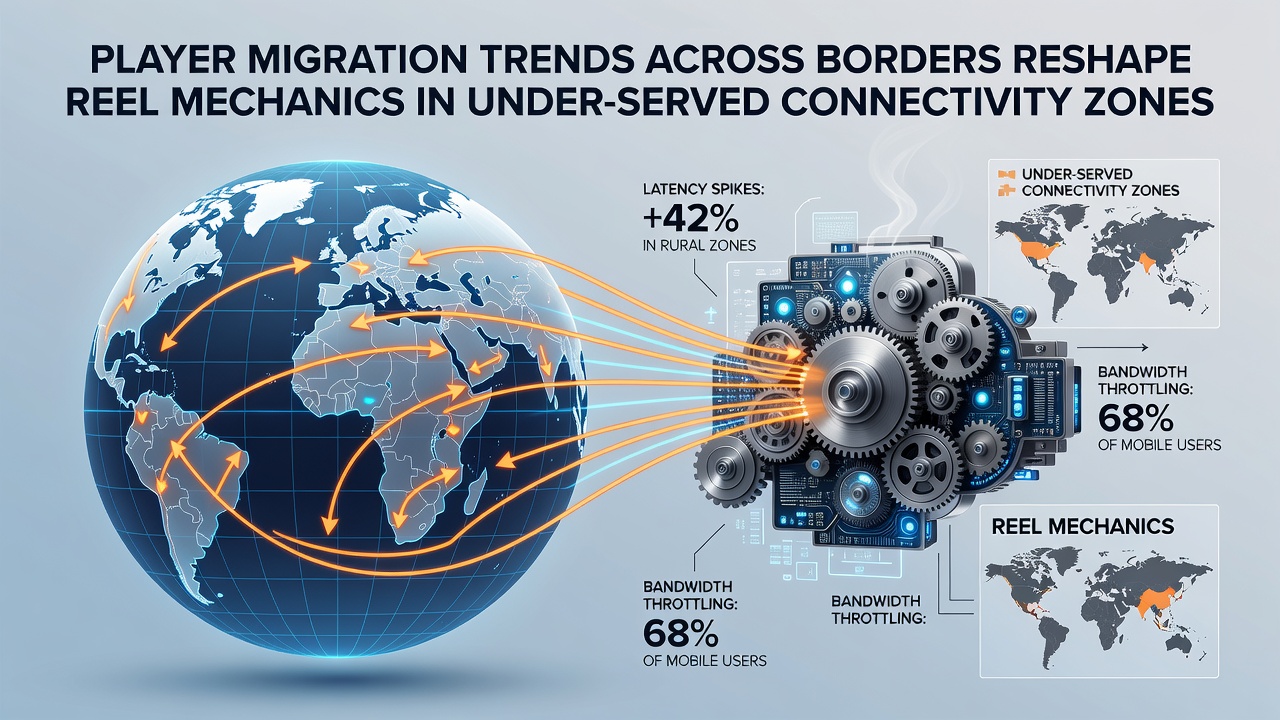
Research from the Asia-Pacific Gaming Association highlights that titles released after mid-2025 feature reel layouts with fewer high-resolution elements, while still preserving mathematical return rates that match those in fully connected markets, and these modifications allow continued engagement without requiring constant high-speed data streams.
Regional Examples and Provider Responses
In parts of sub-Saharan Africa, where migration patterns have increased mobile gaming participation among transient workforces, providers have introduced reel variants that emphasize static symbol displays paired with minimal sound layers, whereas similar adaptations appear in South American corridors experiencing inbound player movement from neighboring countries.
According to reports issued by the Canadian Institute for Gaming Research, studios monitor real-time usage metrics from border-adjacent zones to refine reel algorithms, which results in dynamic adjustments such as shortened spin cycles and pre-loaded outcome sequences that reduce reliance on live server communication during peak migration periods.
Market Data Through August 2026
Usage statistics compiled for the first half of 2026 show elevated session lengths in connectivity-challenged districts that receive regular inflows of players from more developed networks, and this trend coincides with the rollout of reel features designed around modular components that can operate independently when full downloads become impractical.
Industry tracking services document that providers have accelerated testing cycles for these adapted titles ahead of major trade events scheduled later in the year, ensuring compatibility across devices common in migrant-heavy communities while maintaining regulatory compliance in each jurisdiction.
Conclusion
Player movements across borders continue to influence reel mechanics in zones with limited connectivity, as evidenced by ongoing design shifts toward efficient loading and resilient core functions, and available data through August 2026 confirms these changes align with measurable increases in participation from relocating user groups.