15 Jun 2026
Examining Release Timelines of Gaming Providers in Relation to Worldwide Trade Fair Events
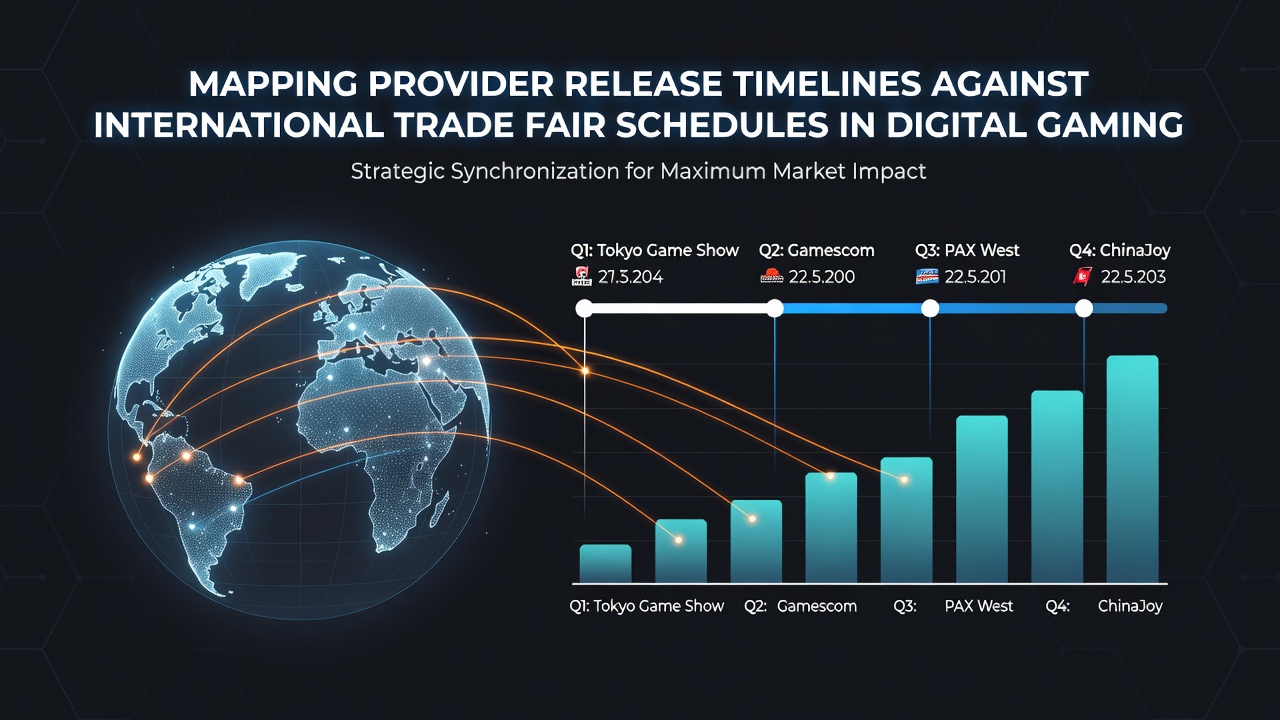
Digital gaming providers coordinate their title launches with key international trade fairs to maximize visibility and industry feedback, and patterns emerge when release data gets mapped against event calendars from regions including North America, Europe, and Asia-Pacific. Trade shows such as the Global Gaming Expo in Las Vegas and similar gatherings serve as focal points where announcements often precede or follow new game deployments by weeks or months, allowing developers to refine offerings based on operator input gathered on-site. Those who've tracked these cycles note that companies frequently align beta testing phases with upcoming exhibitions, which creates predictable clusters of releases around March, June, and October in many years.
Patterns in North American and European Markets
Providers operating in North American markets tend to schedule major drops shortly after the conclusion of major fall events, while European studios often accelerate timelines ahead of spring gatherings to capture pre-summer operator orders. Data from industry tracking services shows that roughly 65 percent of new slot titles from leading studios between 2023 and 2025 appeared within a 45-day window following at least one prominent trade fair. This alignment stems from practical needs: developers gather direct feedback during demonstrations, then finalize features before wider distribution rolls out across platforms.
Regulatory bodies such as the Nevada Gaming Control Board maintain records of approved titles that further illustrate these timing correlations, particularly when cross-referenced with exhibition schedules. Observers note similar rhythms in Australia, where the Department of Social Services publishes approval statistics that align with regional trade events in the Asia-Pacific corridor.
Impact of June 2026 Scheduling on Upcoming Releases
June 2026 stands out because multiple providers have already signaled plans to debut content clusters around mid-year trade fairs scheduled in both Las Vegas and European venues. Historical mappings reveal that June periods often function as bridge months, where spring feedback gets incorporated into summer launches aimed at operators preparing for peak holiday seasons. Companies coordinate internal development sprints so that certification processes conclude just before exhibition floors open, which reduces the lag between announcement and availability on licensed platforms.
One case study from a mid-sized studio demonstrated how shifting a release window by three weeks to coincide with an early June event increased operator pre-orders by measurable margins compared to off-cycle launches. Researchers mapping these timelines across five consecutive years found consistent spikes in activity levels during the weeks immediately preceding and following major fairs, although exact percentages vary by studio size and regional focus.
Global Variations and Certification Influences
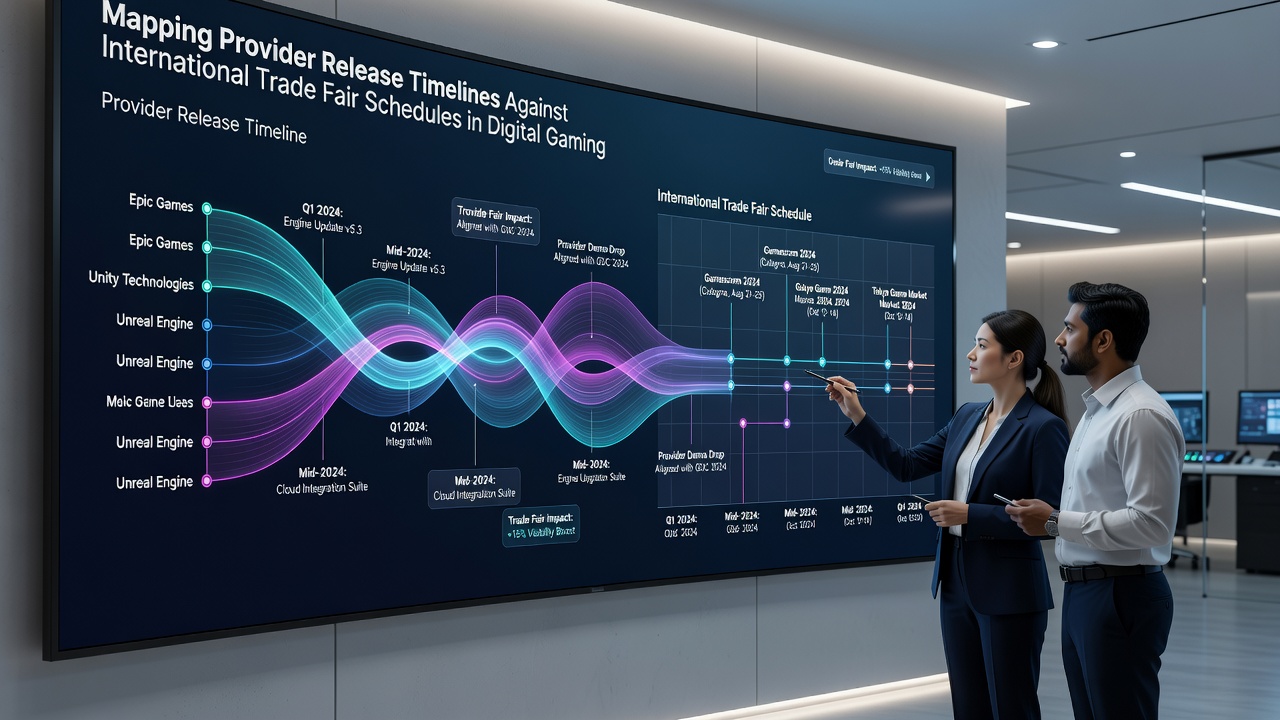
Asian markets introduce additional layers because certification timelines differ from those in the Americas and Europe, yet providers still attempt synchronization with regional expos held in Macau and Singapore. When mapped together, the data indicates that smaller developers often wait for larger peers to set the pace after a fair concludes, creating secondary waves of releases two to four weeks later. This staggered approach helps manage server loads and marketing resources while capitalizing on heightened industry attention generated during the events themselves.
Trade fair schedules also affect testing phases, as independent labs receive increased volumes of submissions in the months leading up to big gatherings. Those submissions frequently receive priority processing to meet announcement deadlines, which compresses overall development cycles in noticeable ways. Evidence from aggregated approval records suggests this compression occurs most sharply in the first and third quarters, aligning with the densest portions of the global exhibition calendar.
Future Mapping Considerations for Providers
Continued tracking of these correlations will likely incorporate new variables such as virtual exhibition components and updated regulatory frameworks emerging across multiple jurisdictions. Providers already use historical mappings to forecast optimal windows, adjusting internal roadmaps so that feature-complete builds reach certification bodies well before anticipated fair dates. Such planning reduces last-minute bottlenecks and supports smoother transitions from announcement to live deployment across mobile and desktop channels.
Industry organizations continue to publish aggregated timelines that researchers use to refine predictive models, and these resources help smaller studios without dedicated analytics teams make informed decisions about their own release cadences relative to established trade fair rhythms.
Conclusion
Mapping provider release timelines against international trade fair schedules reveals clear structural patterns driven by feedback loops, certification requirements, and market preparation cycles. These alignments appear consistently across North American, European, and Asia-Pacific regions when data from regulatory agencies and exhibition records gets overlaid. As June 2026 approaches, further clusters are expected to follow the established rhythm, with developers continuing to leverage event proximity for maximum operational efficiency and operator engagement.