22 May 2026
Mapping Trial Mode Influences on Retention Dynamics Across Mobile Prize Platforms

Portable prize platforms have expanded rapidly in recent years, and trial modes now form a core feature in many mobile applications that offer slot games and similar reward systems. These modes allow users to access gameplay without financial commitment, and analysts track how such access connects to longer-term user activity. Data collected through May 2026 indicates steady growth in trial feature adoption across licensed operators in multiple jurisdictions.
Defining Trial Modes in Current Mobile Environments
Trial modes typically include free spin credits, limited-time demo versions, and practice rounds that mirror real-money mechanics. Developers integrate these elements directly into app interfaces so players transition smoothly between free and paid sessions. Observers note that platforms using synchronized reward structures report higher initial engagement numbers, and the same systems often display measurable differences in return rates over thirty-day windows. Research from industry monitoring groups shows trial usage spikes during promotional periods, particularly when operators align them with new game releases.
Measuring Retention Patterns on Portable Devices
Retention metrics focus on repeat logins, average session duration, and progression through loyalty tiers. Portable platforms collect anonymized usage data that reveals patterns such as increased day-seven returns among users who complete at least one trial session within the first twenty-four hours. Figures from regulatory filings in several regions demonstrate that applications with structured trial pathways maintain steadier weekly active user counts compared with those offering fewer free-entry options. The Nevada Gaming Control Board publishes quarterly summaries that track these indicators for state-licensed mobile offerings, and the numbers point to clear correlations between early trial exposure and sustained activity.
Linkage Effects Identified in Recent Analyses
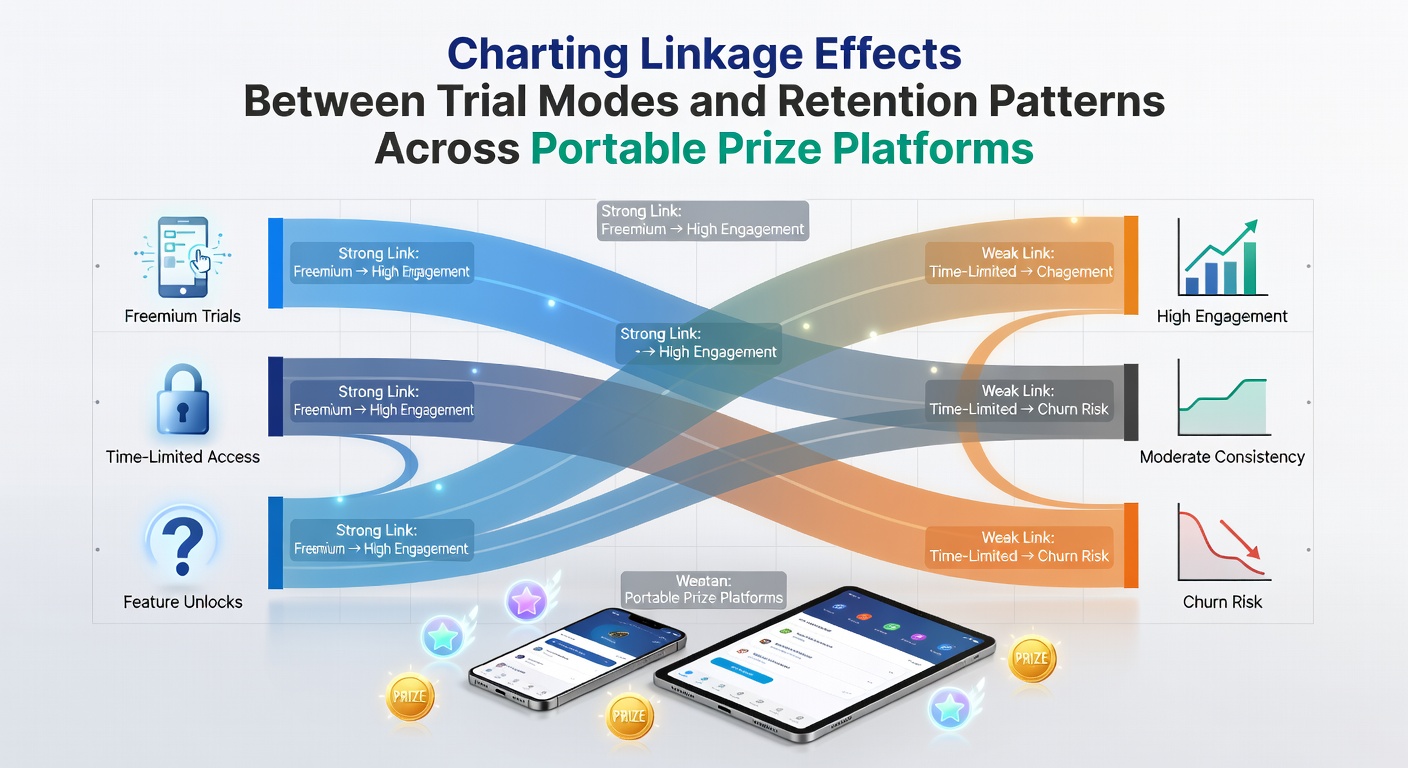
Statistical reviews conducted through early 2026 examined thousands of user journeys across multiple portable prize applications. One consistent finding involves the timing of trial mode activation: players who encounter demo features immediately upon download show elevated retention curves during the subsequent two weeks. In contrast, users who bypass trial options entirely tend toward shorter overall lifecycles on the same platforms. Analysts attribute part of this difference to familiarity gained during unpaid sessions, which reduces friction when real-money play begins. Additional data layers reveal that reward frequency within trial modes also matters, with balanced payout structures producing stronger carryover into paid retention.
Platforms that adjust trial parameters based on device type further refine these outcomes. Mobile users on tablets, for instance, display different session patterns than smartphone players, and operators have begun tailoring free-mode credit amounts accordingly. Such adjustments coincide with improved cross-device retention figures reported in aggregated industry datasets.
Regional Data Comparisons and Regulatory Context
Comparisons across markets highlight variations tied to local rules. In Pennsylvania, mobile operators must follow guidelines that shape how trial credits are presented and tracked. The Alcohol and Gaming Commission of Ontario applies its own requirements for free-play disclosures, and operators active in both regions adapt their systems to meet each standard while preserving core linkage effects. Studies issued by academic research centers, including work from the University of Nevada Reno gaming laboratory, examine these cross-border differences through controlled data samples and find similar directional trends despite regulatory distinctions.
Platform Design Elements That Shape Outcomes
Interface layout, notification timing, and progression rewards inside trial modes all contribute to the observed retention connections. Applications that embed clear pathways from demo play into deposit prompts record stronger conversion alongside retention lifts. Those relying on abrupt transitions between modes show flatter curves. Developers continue testing incremental changes, such as variable credit resets or bonus multipliers, to identify which combinations sustain activity most effectively. Reports from trade associations tracking portable gaming confirm that iterative design updates produce measurable shifts in user behavior within weeks of deployment.
Conclusion
Evidence compiled through May 2026 establishes measurable connections between trial mode implementation and retention patterns on portable prize platforms. Operators using data-informed adjustments to free-play features achieve steadier user activity levels across device types and regulatory environments. Continued monitoring by both government agencies and independent research groups will clarify how these linkages evolve as mobile technologies and player expectations shift.