27 Aug 2026
Mobile Screen Specifications and Bonus Trigger Patterns in Licensed Reel Systems Across Global Regulatory Frameworks
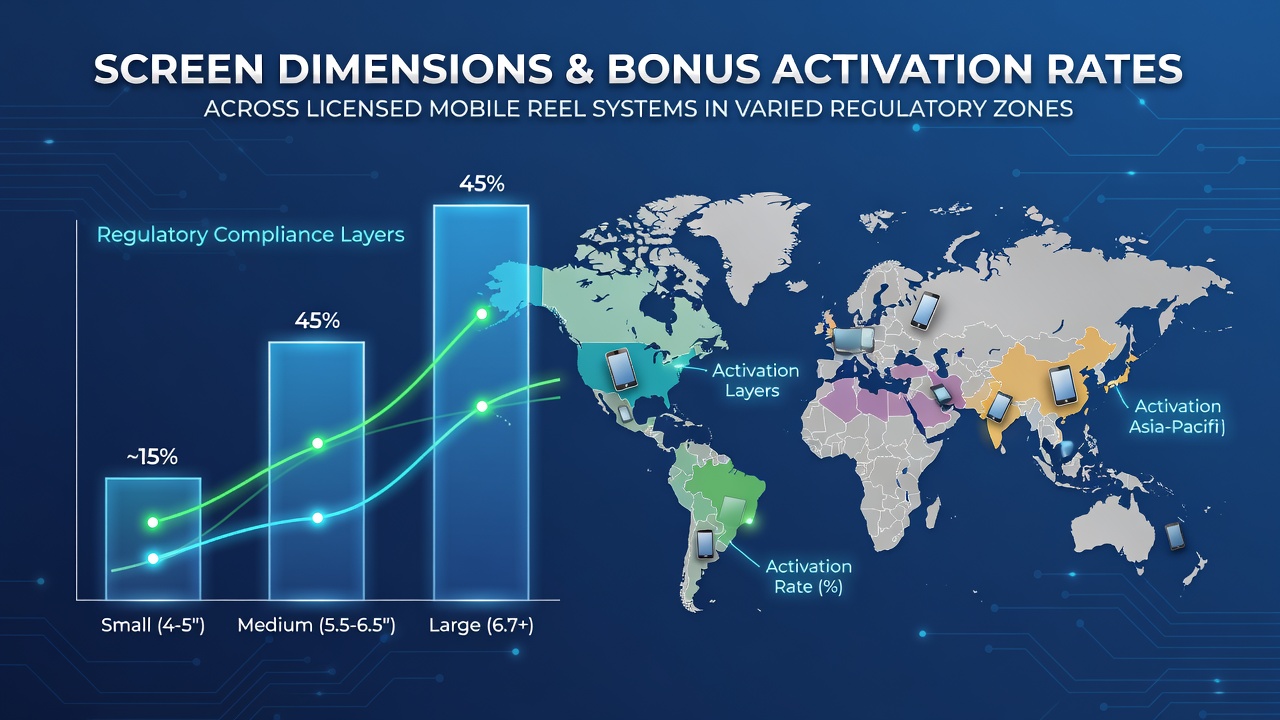
Device screen dimensions show measurable correlations with bonus activation rates in licensed mobile reel systems operating under different regulatory zones, according to aggregated platform data compiled through mid-2026. Studies tracking user sessions across multiple jurisdictions indicate that larger display areas often coincide with higher frequencies of feature triggers while smaller formats register steadier but lower activation counts in the same game titles.
Screen Size Categories and Activation Data
Platforms categorize devices into standard ranges based on diagonal measurements and pixel densities, with data from August 2026 revealing distinct patterns in bonus engagement. Phones with screens between 5.5 and 6.1 inches account for the majority of sessions in North American markets, yet tablets exceeding 10 inches display elevated rates of multi-stage bonus entries when the same software runs under comparable regulatory conditions. Researchers note that aspect ratios play a supporting role alongside raw size, since wider formats allow interface elements to remain visible without additional taps that might interrupt play sequences.
Regulatory zones enforce uniform technical standards on game logic, yet device hardware variations produce observable differences in how players interact with those rules. Data collected from operators licensed in Canadian provinces shows that users on mid-range phones complete bonus qualification steps at rates several percentage points below those recorded on larger screens during identical promotional periods. European operators report parallel trends where resolution thresholds above 1080p align with increased activation of layered features, while lower-density displays maintain consistent base-game performance.
Regional Regulatory Influences on Observed Trends
Varied licensing requirements across jurisdictions shape which devices receive certification priority, which in turn affects the distribution of screen sizes available to players. The Alcohol and Gaming Commission of Ontario maintains records indicating that approved mobile applications must meet display compatibility tests before deployment, resulting in broader availability of optimized versions for tablets in that market. Similar testing protocols in Australian state frameworks produce comparable device segmentation, where operators track activation metrics separately for phone and tablet cohorts to ensure compliance reporting remains accurate.
Industry reports from the European Gaming and Betting Association highlight that cross-border operators standardize core reel mechanics yet adapt visual scaling based on detected screen parameters. This adaptation produces measurable shifts in bonus trigger timing, with larger displays registering earlier qualification for secondary rounds in titles that rely on symbol collection mechanics. Data sets spanning several regulatory environments demonstrate that these patterns persist even when player demographics and session lengths remain statistically similar.
Technical Factors Behind the Correlations
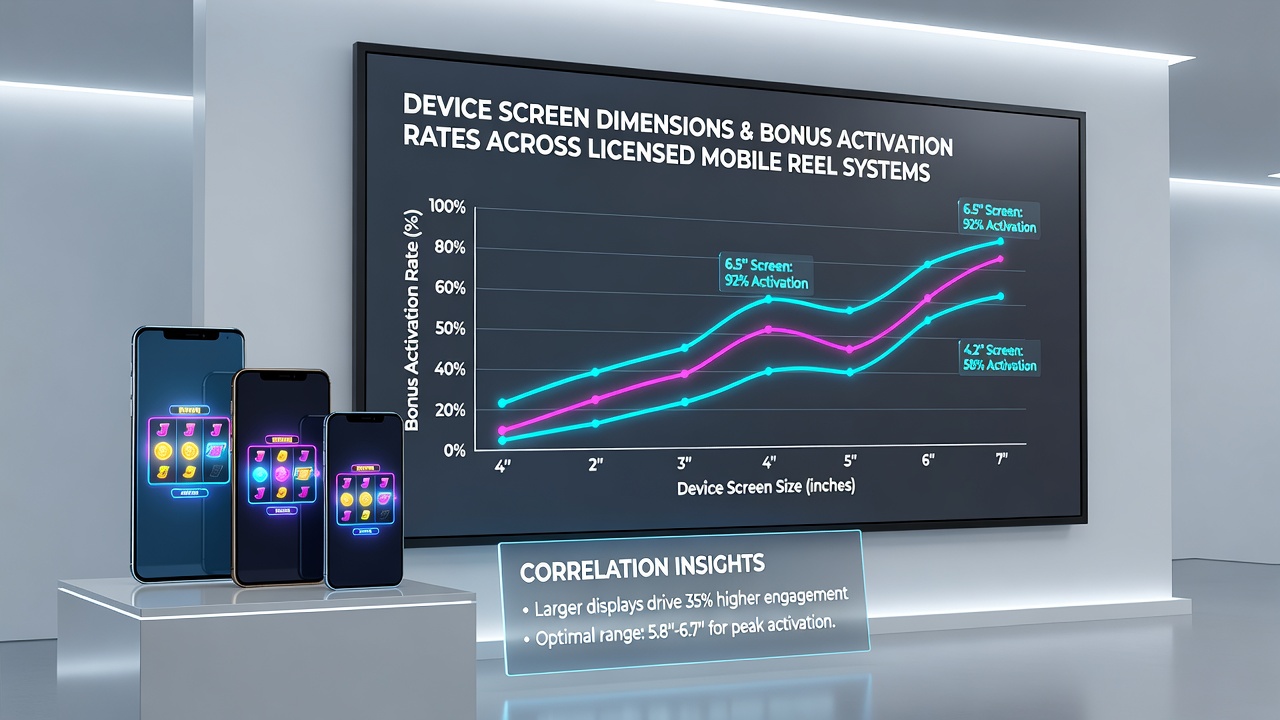
Software rendering engines adjust reel spacing and touch zones according to available screen real estate, which directly influences how quickly players can execute the sequences required for bonus entry. Larger dimensions reduce the need for repeated zooming or scrolling gestures, allowing continuous engagement with on-screen prompts that contribute to feature activation. Platform telemetry indicates that sessions on devices with higher pixel counts per inch sustain longer uninterrupted streaks of qualifying spins compared with lower-density alternatives.
Network latency and processor capabilities often co-vary with screen specifications in consumer device tiers, yet regulatory testing isolates these variables during certification. Controlled comparisons conducted under Nevada Gaming Control Board guidelines confirm that screen dimension alone accounts for a measurable portion of variance in bonus frequency when other hardware factors are held constant. Observers tracking global markets note that operators increasingly incorporate adaptive scaling routines to normalize activation rates across device classes without altering the underlying probability models.
Platform Analytics and Future Monitoring
Operators continue to refine segmentation models that incorporate screen dimension as a core variable alongside regulatory jurisdiction and game type. Monthly reports issued in August 2026 from multiple licensing regions show consistent separation between activation curves for different display categories, prompting providers to adjust visual asset delivery without modifying certified game mathematics. Academic analyses from institutions studying digital gambling interfaces corroborate these platform findings through independent session reconstructions that isolate display size as the primary independent factor.
Continued monitoring across additional regulatory zones will clarify whether emerging device formats, such as foldable screens, follow established patterns or introduce new correlations with bonus engagement metrics. Current evidence establishes that screen dimensions function as a reliable predictor variable within the broader set of factors influencing player behavior in licensed mobile environments.
Conclusion
Evidence from multiple licensed markets demonstrates clear correlations between device screen dimensions and bonus activation rates in mobile reel systems. Regulatory frameworks maintain consistent game rules while hardware differences produce distinct engagement patterns that operators document through ongoing analytics programs. These relationships remain stable across reporting periods in 2026 and support continued refinement of compatibility standards in international gaming sectors.