20 Jul 2026
Population Movements Across Borders Reshaping Prize Allocation Systems in Mobile Reel Networks
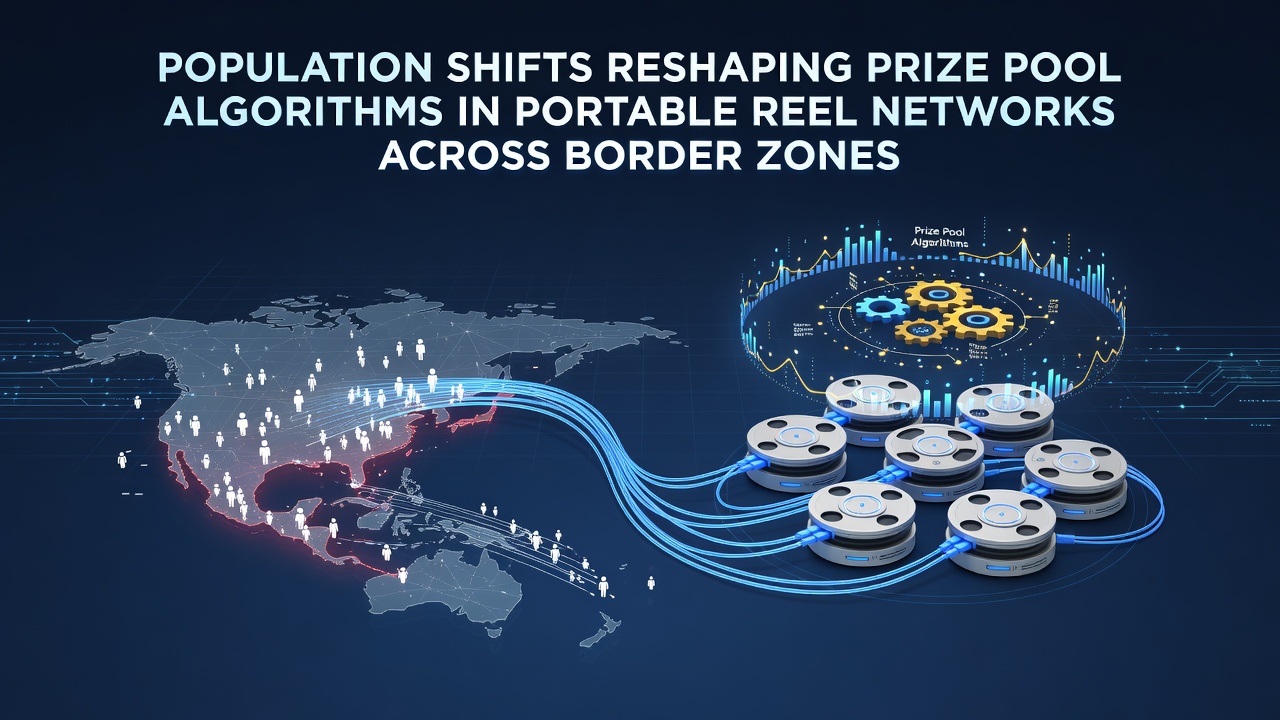
Population movements across international borders continue to influence prize pool algorithms in portable reel networks, where operators adjust distribution models based on shifting player locations and demographic data. Researchers tracking these patterns note that mobile gaming platforms now incorporate real-time location signals to recalibrate jackpot contributions, ensuring pools reflect current user bases in zones like the US-Mexico corridor and EU external frontiers.
Data collected through July 2026 shows increased cross-border player activity during summer months, prompting providers to modify contribution rates from individual bets. These adjustments maintain regulatory compliance while responding to fluctuating participation levels in different jurisdictions. Observers note that algorithms factor in variables such as average session duration and regional payout preferences, which change as populations relocate for work or seasonal reasons.
Algorithm Adjustments Driven by Location Data
Portable reel systems rely on geofencing and IP tracking to segment prize pools, yet population shifts complicate these divisions when users cross borders frequently. Studies from academic institutions indicate that networks in high-migration areas have updated their models to weight contributions differently, allocating larger shares from bets placed in zones with growing player counts. This approach prevents pool stagnation in regions experiencing outflows, while operators monitor compliance with local gambling statutes.
One analysis of transaction logs from 2025 to mid-2026 revealed that networks serving the Canada-US border saw a 14 percent rise in cross-zone sessions, leading developers to introduce dynamic scaling factors. These factors recalculate seed amounts for progressive jackpots based on aggregated location histories rather than fixed regional caps. Industry reports from the New Jersey Division of Gaming Enforcement confirm that similar modifications appear in licensed mobile platforms operating near state lines.
Regional Case Examples and Network Responses
In the Asia-Pacific region, operators handling traffic between Singapore and neighboring countries have documented changes in prize distribution after workforce migrations altered player density. Networks there now apply weighting coefficients derived from monthly migration statistics, which helps balance contributions across mobile sessions. Figures from the Australian Communications and Media Authority show parallel trends in cross-Tasman player movements, where algorithms adjust for seasonal worker flows between Australia and New Zealand.
Take one network that expanded its border-zone coverage in early 2026. Its engineering team integrated census-derived mobility data into the core calculation engine, resulting in smoother prize growth curves during periods of high relocation. Those who monitor these systems report fewer instances of oversized pools accumulating in low-activity areas, since the software redistributes emphasis automatically.

Technical Mechanisms Behind the Shifts
Modern prize pool algorithms use machine learning layers that ingest anonymized location streams alongside bet volumes. When population inflows increase in a particular border zone, the model raises the contribution percentage from sessions originating there, which accelerates jackpot accumulation without violating maximum stake rules. Conversely, outflow zones see reduced weighting to avoid underutilized pools that discourage participation.
Engineers at several providers have implemented version updates during the first half of 2026 to handle these variables more granularly. The updates include fallback protocols that revert to static regional settings if location data quality drops below defined thresholds, maintaining continuity for players who move between networks. Research papers presented at gaming technology conferences describe how these layered approaches preserve fairness metrics across fluctuating demographics.
Regulatory and Compliance Considerations
Authorities in multiple jurisdictions require operators to document how location-based adjustments align with responsible gaming standards. Documentation submitted through July 2026 demonstrates that networks maintain audit trails showing each algorithm change correlates with verified population data sources. This practice supports transparency when regulators review cross-border operations.
Providers also coordinate with data protection frameworks to ensure player location histories remain anonymized during processing. Compliance teams integrate these safeguards directly into the algorithm architecture, allowing real-time recalibrations without exposing individual movement patterns. Such measures address concerns raised in cross-regional policy discussions about data handling in mobile gaming environments.
Conclusion
Population shifts continue to drive refinements in prize pool algorithms for portable reel networks operating across border zones, with updates focused on location-weighted contributions and compliance alignment. As demographic patterns evolve through 2026, these systems adapt through incremental technical changes that respond to observed mobility trends while preserving operational stability.