19 Aug 2026
Population Movements Reshape Symbol Designs in Mobile Gaming Platforms Along Border Zones
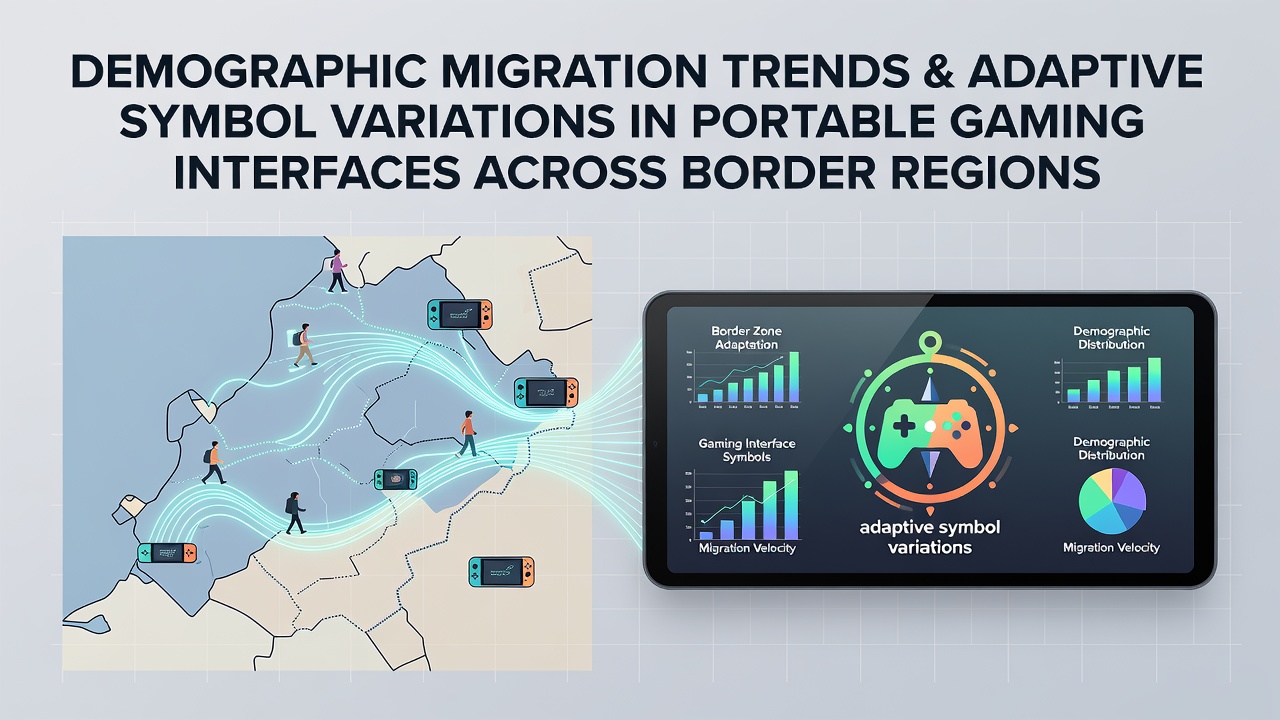
Population movements across border regions have accelerated in recent years, and data from multiple statistical agencies shows these shifts directly affect the visual elements presented in portable gaming interfaces. Researchers tracking user engagement patterns note that developers adjust icons, themes, and reel symbols to align with the cultural backgrounds of new player groups settling in frontier areas.
Tracking Recent Migration Data and Regional Patterns
Figures released by the US Census Bureau indicate sustained inflows from Central American countries into southern border states through the first half of 2026, while similar reports from Statistics Canada document parallel movements along the northern frontier. These demographic changes coincide with documented updates in mobile gaming content offered in those same locations. Developers monitor registration data and session locations, then modify symbol sets accordingly to maintain relevance for incoming populations.
One study conducted by academic teams at border universities found that players from specific cultural cohorts respond more consistently when interfaces incorporate familiar motifs such as regional flora, historical figures, or local architectural elements. Gaming providers have responded by expanding their symbol libraries, allowing regional servers to swap default icons for localized alternatives without requiring separate game versions.
Symbol Adaptation Mechanisms in Portable Interfaces
Portable gaming systems operate through cloud-based configuration files that permit rapid symbol swaps based on detected user location and language settings. When migration trends bring larger numbers of players from one cultural region into another, providers activate pre-loaded alternative symbol packs that replace generic items with culturally resonant imagery. This process occurs without interrupting service, and players experience seamless transitions during regular updates.
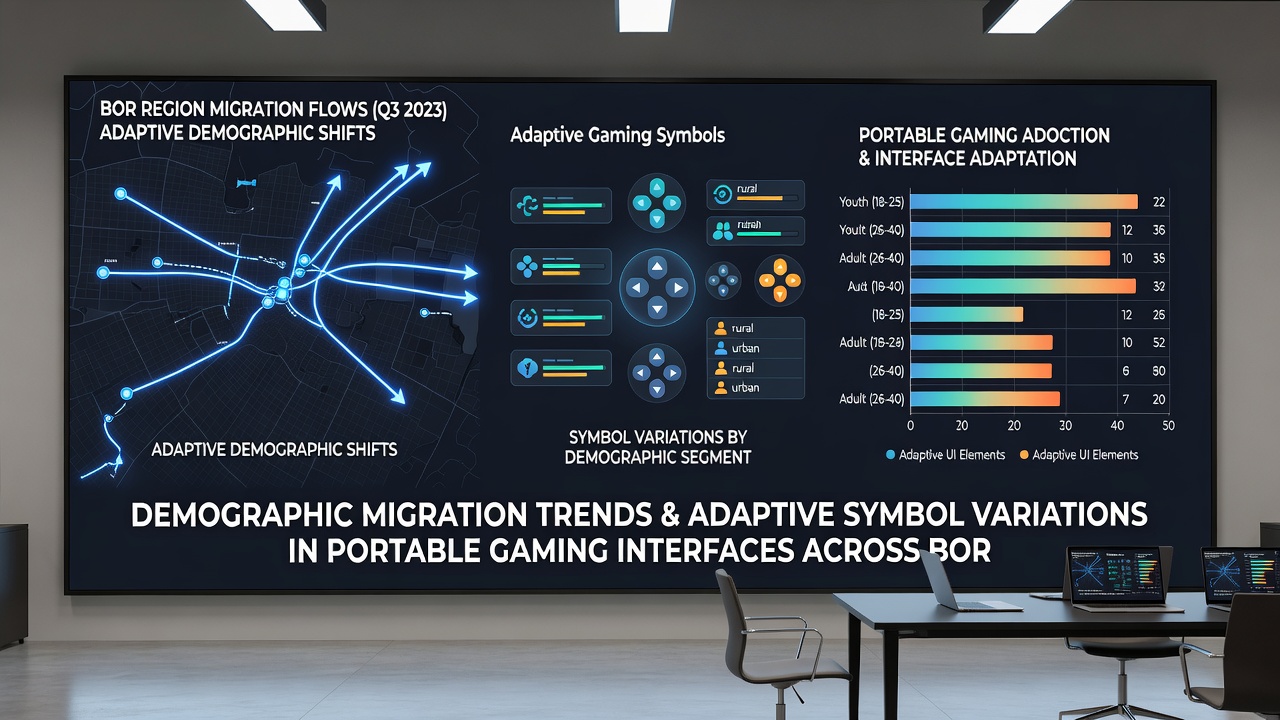
Examples include the substitution of standard fruit symbols with regional harvest motifs in areas experiencing agricultural workforce inflows, or the introduction of traditional textile patterns as background elements along routes connecting Latin American source countries with North American destination zones. Data logs from major platforms reveal that these targeted adjustments correlate with extended session durations among newly arrived player segments.
Cross-Border Implementation Examples from 2026
Along the US-Mexico corridor, several major providers implemented symbol refreshes in August 2026 that incorporated Aztec-inspired iconography alongside established Western themes. Platform analytics showed increased interaction rates from accounts registered in newly settled communities. Similar adaptations appeared in European border applications, where providers referenced Eurostat migration statistics to guide the inclusion of Mediterranean cultural markers in games served to eastern frontier users.
Industry reports compiled by independent research groups further confirm that these modifications follow predictable cycles tied to census release dates. When new population figures become available, development teams review the data and prioritize symbol variants that reflect the largest incoming groups. The approach avoids full game redesigns and instead leverages modular asset systems already present in most portable platforms.
Technical Infrastructure Supporting Regional Variations
Modern mobile gaming architectures rely on geolocation APIs combined with user preference profiles to determine which symbol set loads at runtime. Border regions present unique challenges because player bases can shift rapidly, yet the modular design allows servers to push updated asset bundles within hours of detecting demographic changes. Technicians at several studios have described the process as routine maintenance rather than major overhauls.
Testing protocols require verification across multiple device types and connection speeds common in remote border communities. Once approved, the new symbol configurations deploy through standard update channels, and players receive the revised interfaces during their next session launch. Retention metrics collected after these deployments consistently show stable or improved performance among teh targeted demographic segments.
Conclusion
Population movements across international borders continue to influence the visual language of portable gaming interfaces, with providers using location-aware systems to deliver culturally adapted symbols. Data from government statistical agencies and platform analytics demonstrate measurable alignment between migration patterns and symbol updates. As demographic flows persist into late 2026, further refinements in these adaptive mechanisms remain likely based on the same evidence-driven approaches already in place.