10 Jul 2026
Regulatory Timelines Shaping Algorithmic Bonus Features in Mobile Prize Ecosystems
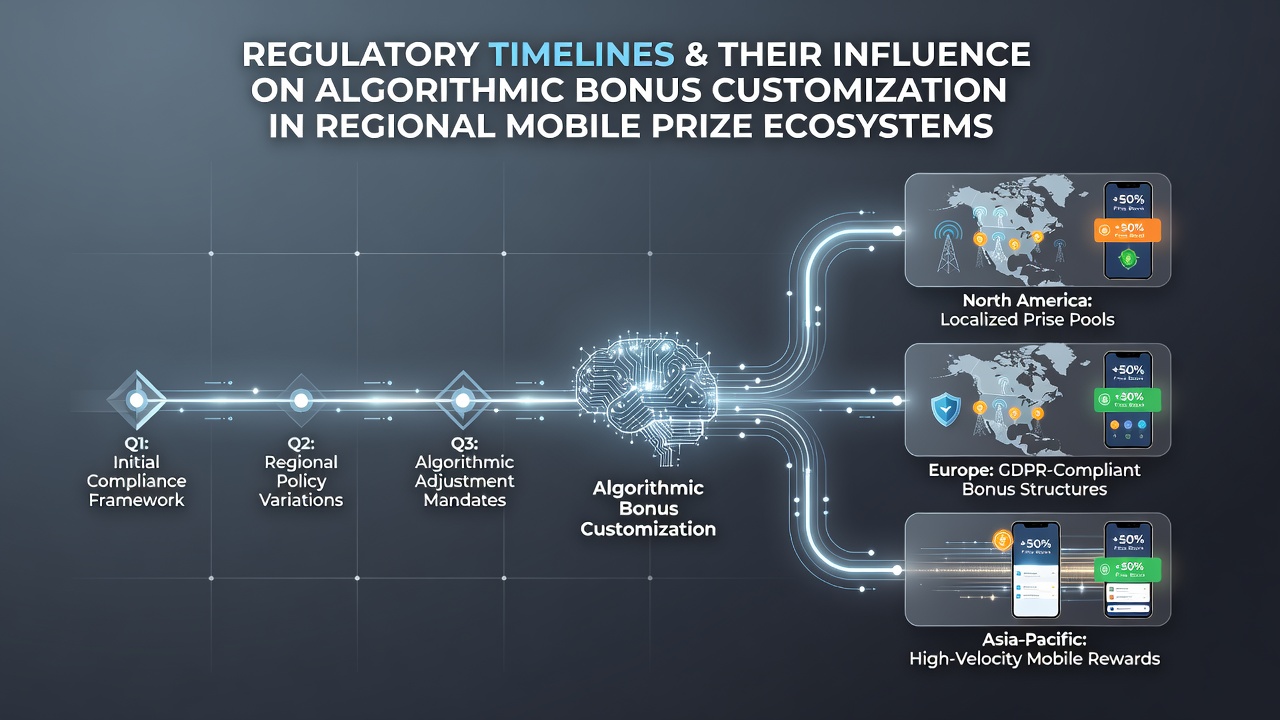
Regulatory timelines establish the pace at which mobile prize platforms must adjust their algorithmic systems for bonus customization, and operators in various jurisdictions align their development cycles with these schedules to maintain compliance while serving regional user bases. Data from the New Jersey Division of Gaming Enforcement shows that staggered approval processes often force providers to segment their bonus algorithms by market, creating distinct customization layers for each regulatory window.
Understanding Regional Oversight Schedules
Authorities release updated rules on fixed dates each year, which directly determines when algorithmic changes can roll out in live environments, and developers monitor these announcements to synchronize code updates with enforcement periods. In practice, a regulation effective in one quarter may require immediate recalibration of random number generators and reward distribution models, whereas delayed implementations in neighboring regions allow for phased testing before full deployment.
Observers note that these timelines create predictable patterns in how providers allocate engineering resources, since teams must prioritize markets with the earliest compliance deadlines. Research indicates that platforms operating across multiple continents typically maintain separate bonus logic branches, each tuned to the specific cadence of local approvals and reporting requirements.
Algorithmic Adjustments Under Time Constraints
When a new regulatory framework takes effect, algorithms responsible for bonus frequency and value must incorporate fresh parameters such as maximum wager multipliers or eligibility thresholds, and developers often compress testing phases to meet the deadline. This compression leads to modular code structures that permit rapid swaps of bonus rules without overhauling entire game engines.
Figures reveal that providers in developing economies frequently adopt shorter iteration cycles because their regulatory bodies issue updates on shorter notice than established markets, forcing quicker adaptation of player segmentation models. Those who studied these patterns found that algorithms capable of dynamic rule loading reduced the time between regulatory announcement and live deployment by several weeks in documented cases.
Case Examples Across Jurisdictions
Take the timeline set by Ontario's Alcohol and Gaming Commission, where quarterly reporting obligations require platforms to demonstrate that bonus algorithms treat all player cohorts equitably, and this forces ongoing calibration of personalization engines. In contrast, certain Australian state regulators issue annual reviews that allow longer windows for testing customized reward structures before they reach mobile users.
One study revealed that platforms serving both regions maintain dual compliance layers, switching between rule sets based on detected user location at login, and this approach minimizes rework when a single jurisdiction advances its schedule. What's interesting is how providers use these staggered deadlines to pilot new bonus mechanics in the most lenient market first, then propagate validated configurations elsewhere once confidence in the model increases.

July 2026 Developments and Their Reach
July 2026 marks the enforcement date for several updated technical standards in select North American and European markets, requiring mobile prize operators to embed additional audit hooks into bonus algorithms so regulators can verify fairness parameters in real time. These hooks enable continuous logging of customization decisions without altering the core reward logic, which keeps deployment timelines manageable.
Platforms preparing for these changes have already begun mapping their current bonus customization routines against the forthcoming requirements, and early adopters report that the integration work aligns with existing quarterly maintenance windows rather than demanding separate overhaul cycles. Data shows that markets with overlapping July deadlines tend to experience synchronized updates across multiple providers, creating brief periods of uniform bonus behavior before regional differentiation resumes.
Long-Term Effects on Platform Architecture
Over successive regulatory cycles, platforms evolve toward architectures that treat compliance calendars as first-class inputs to their bonus systems, and this architectural shift reduces the cost of each new timeline. Research from academic groups tracking digital gaming infrastructure indicates that modular rule engines now dominate development roadmaps because they accommodate both rapid regional changes and longer-term policy shifts without full rewrites.
Those who've examined the data note that providers maintaining centralized rule repositories can push targeted updates to specific regions within days of a regulatory announcement, while still preserving the ability to run region-specific A/B tests on bonus variants. The result is a more resilient ecosystem where algorithmic customization responds to oversight schedules as a core operational parameter rather than an afterthought.
Conclusion
Regulatory timelines continue to dictate the rhythm of algorithmic evolution in regional mobile prize ecosystems, shaping everything from code structure to deployment sequencing. Providers that treat these schedules as fixed constraints while building flexible bonus systems achieve smoother transitions across markets, and the patterns observed through mid-2026 suggest this dynamic will persist as more jurisdictions refine their oversight frameworks.