26 Aug 2026
Resource Extraction Cycles Driving Volatility Preferences in Regional Digital Reel Markets
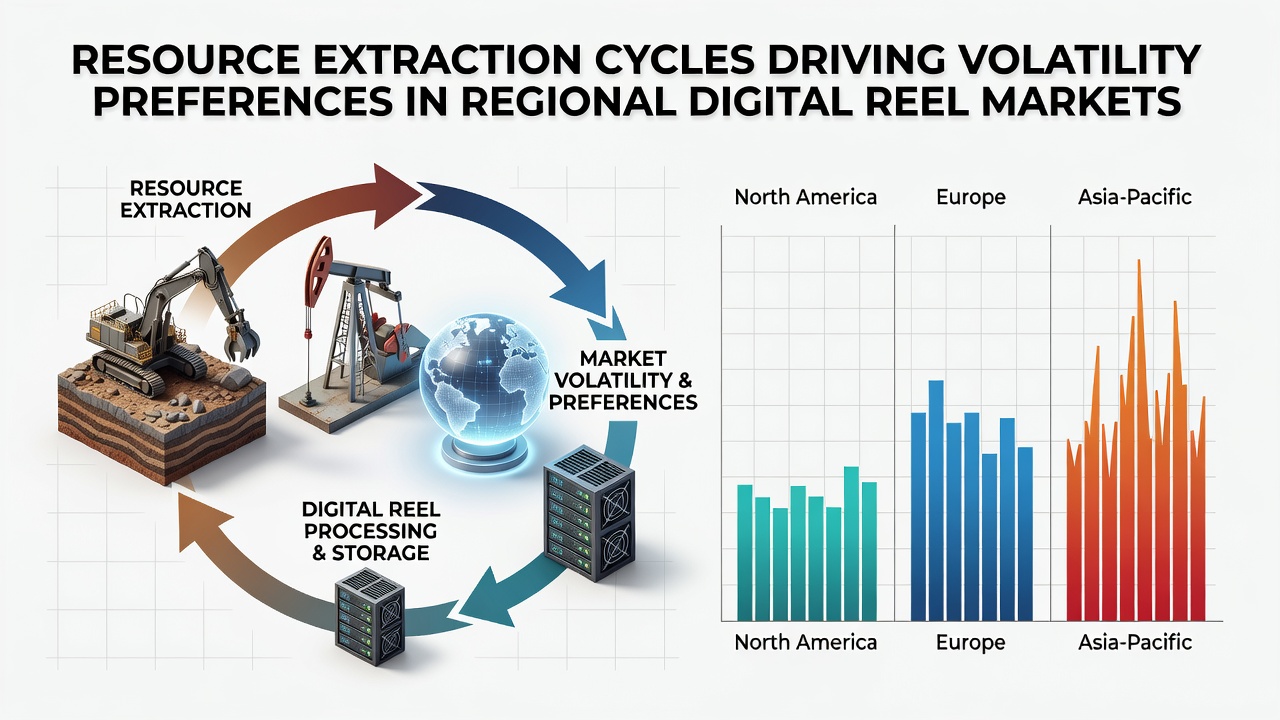
Resource extraction cycles in mining, oil, and gas sectors have shown measurable connections to player selections of volatility levels within regional digital reel markets, with data from multiple jurisdictions indicating patterns that align economic fluctuations to game preferences. Observers note that boom periods in extraction-heavy areas often coincide with increased engagement in high-volatility titles, while downturns correspond to preferences for lower-volatility options that extend play sessions.
Economic Patterns in Extraction Regions
Regions dependent on resource extraction experience distinct economic phases that researchers have tracked through employment figures and income data, and these phases intersect with gaming activity recorded on digital platforms. In areas such as Western Australia and Alberta, Statistics Canada and comparable agencies have documented how rising commodity prices lead to wage increases that then appear in aggregated transaction records for online reel games. Studies from the Australian Gambling Research Centre indicate that during expansion phases, average bet sizes rise alongside selections of titles featuring larger potential payouts separated by longer intervals between wins.
Conversely, contraction phases tied to falling resource prices show corresponding adjustments in player behavior, with data revealing shifts toward games that deliver more frequent smaller returns. This alignment emerges consistently across datasets collected from licensed operators serving those specific geographic zones, where local economic indicators serve as predictors for volatility distributions in active game libraries.
Volatility Preferences and Platform Data
Platform analytics from operators active in extraction-dependent markets reveal that volatility settings function as responsive elements within player cohorts. High-volatility reels, characterized by wider payout variance, register higher play volumes when regional employment metrics climb, whereas low-volatility configurations maintain steadier engagement during periods of reduced economic output. Research compiled by the University of Nevada, Reno gaming studies group demonstrates these correlations through anonymized session logs spanning multiple extraction cycles, showing that preference shifts occur within weeks of major commodity price announcements.
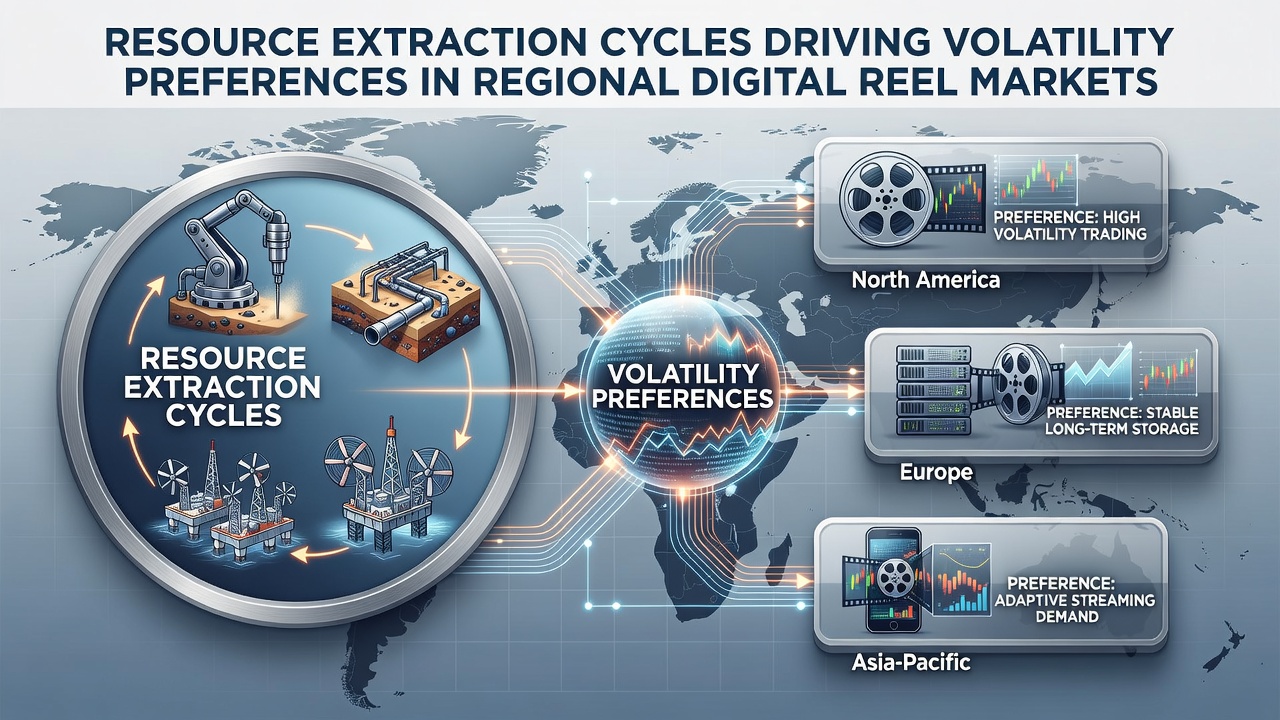
August 2026 records from several North American and Australian platforms further illustrate the trend, with operators noting elevated downloads of high-variance titles in jurisdictions experiencing renewed mining activity. These patterns hold after controlling for marketing variables and seasonal factors, pointing to underlying economic drivers rather than isolated promotional effects.
Regional Market Adaptations
Operators serving extraction regions have adjusted title lineups in response to observed preference cycles, incorporating more variable volatility options during anticipated boom windows. In Canadian provinces with significant oil sands operations, for instance, provider release schedules have aligned with projected resource price movements, delivering games that match documented demand shifts. Similar adaptations appear in Australian markets tied to iron ore cycles, where digital reel libraries expand or contract specific volatility tiers based on employment forecasts released by government statistical bodies.
Cross-border comparisons highlight that markets without strong extraction components display flatter volatility distributions year-round, underscoring teh localized nature of the observed relationship. Data aggregated by the National Council on Problem Gambling in the United States shows parallel but smaller-scale movements in states with active energy extraction sectors, confirming the pattern across different regulatory environments.
Platform Metrics and Cycle Timing
Session duration and deposit frequency metrics collected from mobile and desktop platforms serving extraction communities demonstrate timing overlaps with commodity market events. When resource prices surge, average session lengths in high-volatility categories extend, while deposit intervals shorten, according to reports issued by regional industry associations. During price declines, these metrics reverse, with players favoring titles that support prolonged interaction at lower per-spin stakes.
These measurable responses occur without direct intervention from platform algorithms, arising instead from organic selection patterns tracked through standard analytics tools. Providers monitoring these trends have begun incorporating external economic indicators into forecasting models used for content scheduling, allowing preemptive alignment of available volatility ranges with anticipated regional conditions.
Conclusion
Resource extraction cycles continue to shape volatility preferences across regional digital reel markets through documented correlations between economic indicators and player selections, with ongoing data collection confirming consistency across multiple jurisdictions and time periods. As extraction industries evolve, corresponding adjustments in game engagement patterns remain observable through established analytics frameworks.