31 Jul 2026
Sensory Integration Patterns Shaping Engagement in Handheld Progressive Prize Environments
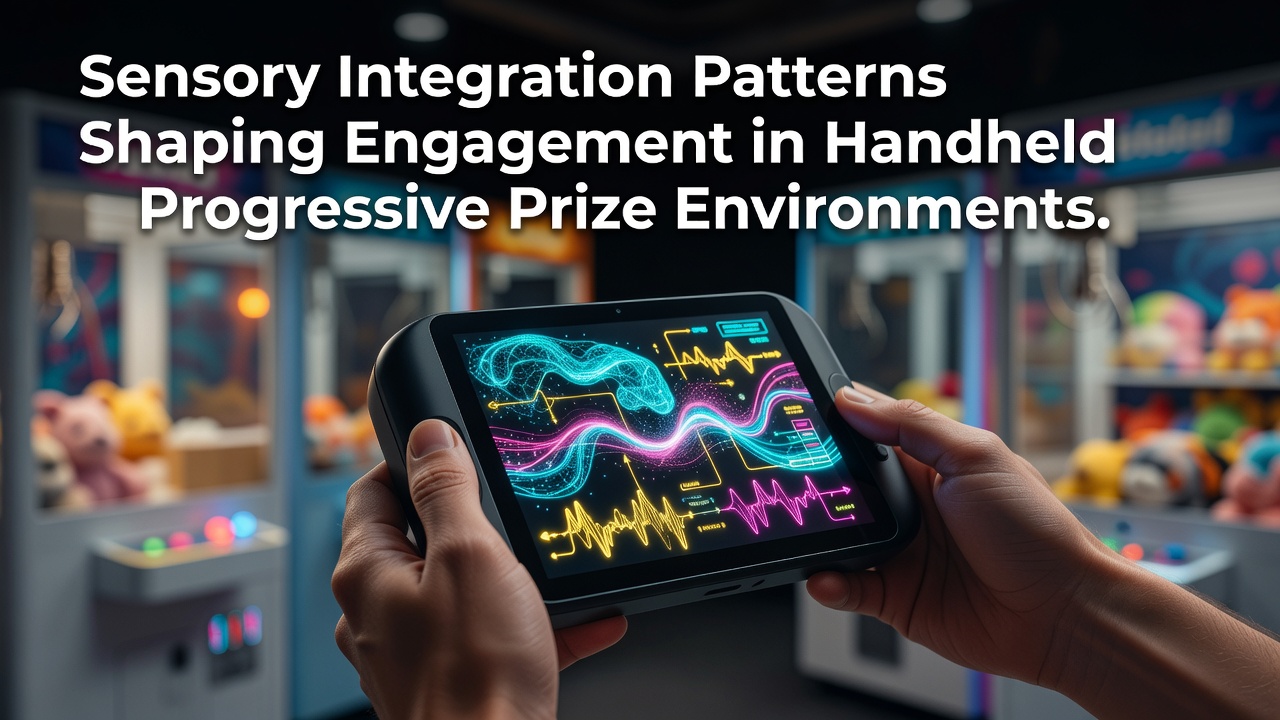
Research from multiple academic centers shows that players interact with handheld progressive prize environments through integrated sensory channels where visual stimuli combine with audio signals and tactile responses to guide attention toward accumulating reward meters. Data collected across platforms in early 2026 indicates that these combined inputs create measurable differences in session duration when progressive features activate, with engagement metrics rising during periods when jackpot counters update in real time alongside synchronized sound cues.
Visual Processing and Progressive Display Mechanics
Studies conducted by teams at the University of Nevada Reno’s International Gaming Institute reveal that high-contrast animations around jackpot totals draw sustained visual focus, while background reel movements maintain peripheral attention without overwhelming the central progressive display. Observers note that color shifts tied to prize tier increases occur in predictable sequences, allowing users to track value growth through repeated exposure rather than explicit numerical reading alone. In July 2026 several providers adjusted frame rates for these animations on mid-range devices, producing smoother transitions that align with documented preferences for reduced motion blur during extended play intervals.
Auditory Layering and Reward Anticipation
Audio design incorporates layered soundtracks where base music loops support distinct notification tones that escalate in pitch and complexity as progressive totals climb. Evidence gathered by the Australian Institute of Family Studies demonstrates that these tonal progressions correlate with increased touch frequency on spin controls, particularly when jackpot milestones trigger short celebratory chimes. The same reports highlight how spatial audio effects on newer handsets position reward sounds at varying depths, creating an auditory map that reinforces the visual hierarchy of prize information without requiring users to glance away from the main reels.
Haptic Patterns and Device Feedback Loops
Engineers at leading hardware firms have calibrated vibration motors to deliver short pulses synchronized with reel stops and longer sustained signals when progressive bonuses advance. Figures released by the National Center for Responsible Gaming in the United States show that these tactile markers appear most frequently in games where multiple jackpot tiers operate simultaneously, helping users differentiate between minor increments and major threshold crossings through touch alone. Mobile operating system updates rolled out in mid-2026 expanded access to variable intensity controls, allowing developers to modulate feedback strength according to device battery levels and user-selected accessibility settings.
Cross-Regional Data on Multisensory Coordination
Comparative analyses between North American and European markets indicate that integration timing differs according to regulatory constraints on animation speed and sound volume. Canadian provincial data compiled through the Responsible Gambling Council points to stronger retention when haptic cues precede visual jackpot updates by 200–300 milliseconds, whereas similar tests in Singapore found optimal engagement when audio and visual elements activated within 50 milliseconds of each other. These timing variations reflect both hardware capabilities and cultural exposure to different device models rather than inherent preference differences among player groups.
Progressive Feature Triggers and Sensory Thresholds
Platform telemetry examined by researchers at the University of Sydney’s Gambling Treatment and Research Clinic shows that sensory integration becomes most pronounced during near-miss sequences and tier-upgrade events. In these moments the combination of screen flashes, rising audio tones, and device vibrations occurs within a compressed timeframe, producing elevated interaction rates that persist for several subsequent spins. July 2026 telemetry further indicates that devices supporting adaptive refresh rates above 90 Hz maintain tighter synchronization across these channels, resulting in fewer reported instances of perceived lag between input and sensory output.
Conclusion
Available evidence demonstrates that sensory integration operates as a coordinated system rather than isolated channels within handheld progressive prize environments. Metrics from government agencies and academic institutions across multiple continents continue to track how visual, auditory, and tactile elements align during jackpot progression, offering consistent patterns that developers reference when updating mobile implementations. Ongoing data collection through 2026 will determine whether hardware advancements further refine these coordination windows or introduce new variables into player engagement calculations.