24 Jun 2026
Supply Chain Strains Prompt Schedule Shifts for Mobile Slot Innovations in Key Studios
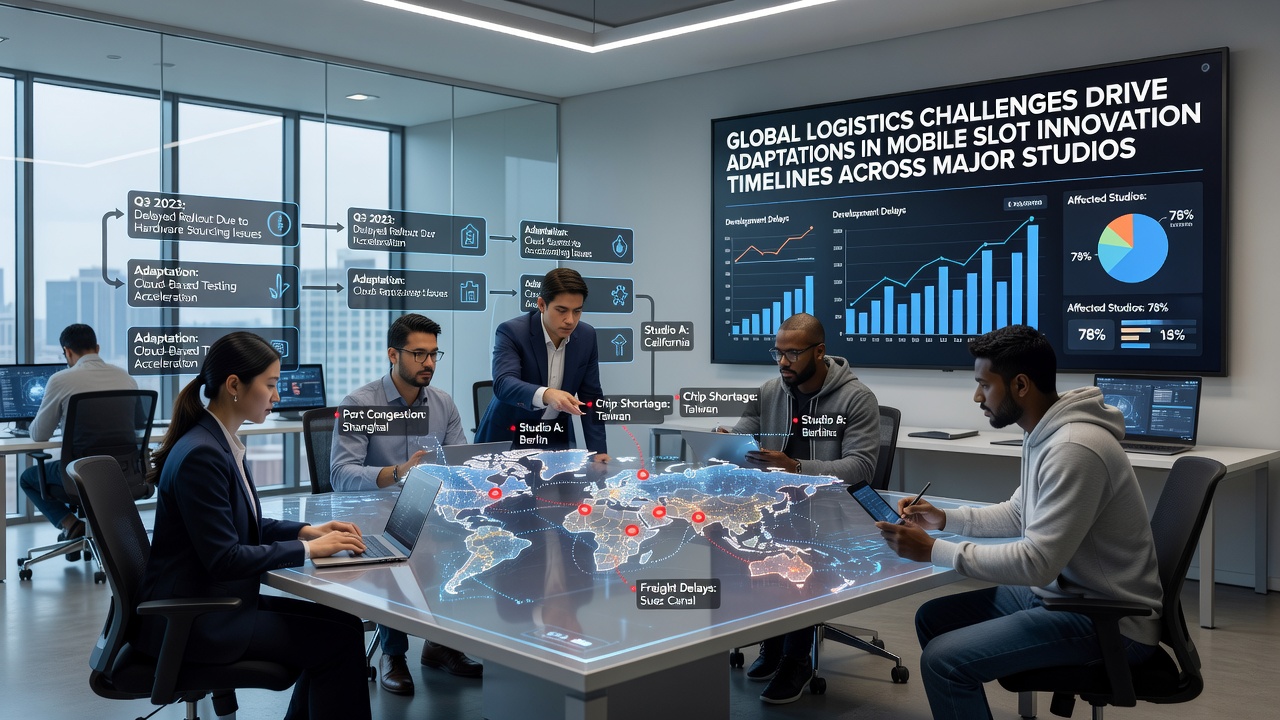
Global logistics challenges continue to reshape development timelines for mobile slot games at major studios, where delays in component sourcing and transportation have forced adjustments in project planning since early 2025. Studios that once followed predictable release cadences now navigate extended lead times for specialized testing devices and server infrastructure components, which directly affects how quickly new titles reach mobile platforms. Data from industry tracking services shows average delays of four to six weeks in hardware procurement cycles compared to pre-2024 benchmarks, prompting teams to recalibrate internal milestones accordingly.
Component Shortages and Their Ripple Effects
Semiconductor availability remains a central factor in these shifts, as mobile slot development relies on high-performance chips for graphics rendering and real-time analytics integration during testing phases. When suppliers in Asia face production constraints, studios in Europe and North America encounter bottlenecks that extend prototype validation periods, and this pattern has persisted into mid-2026. Researchers at academic institutions tracking electronics supply chains note that such shortages have led several prominent providers to adopt staggered rollout strategies rather than simultaneous global launches.
Port congestion at key hubs adds another layer of complexity, where container backlogs slow the movement of physical servers and development kits essential for quality assurance processes. Studios respond by increasing reliance on virtualized testing environments, though these alternatives require additional software licensing and staff training that further stretches budgets and calendars. Observers note that companies with diversified supplier networks have managed shorter recovery periods than those dependent on single-region sourcing.
Adaptations in Studio Workflows
Major studios have implemented modular development frameworks that allow parallel workstreams on core mechanics and visual assets, reducing the impact when one supply element lags. This approach enables teams to advance content creation even while awaiting delayed hardware shipments, and several providers reported completing preliminary builds ahead of full integration testing by June 2026. Trade reports from organizations such as the International Gaming Business Association indicate that these workflow changes have stabilized output volumes despite ongoing external pressures.
Collaboration with logistics partners has also intensified, with studios securing priority shipping lanes for critical components through advance booking systems. Such arrangements help mitigate seasonal fluctuations in freight availability, yet they introduce new contractual obligations that influence long-term financial planning. Those who've studied these adaptations highlight how studios now factor logistics timelines into initial concept approvals, treating supply chain projections as core inputs rather than afterthoughts.
Regional Variations in Timeline Adjustments
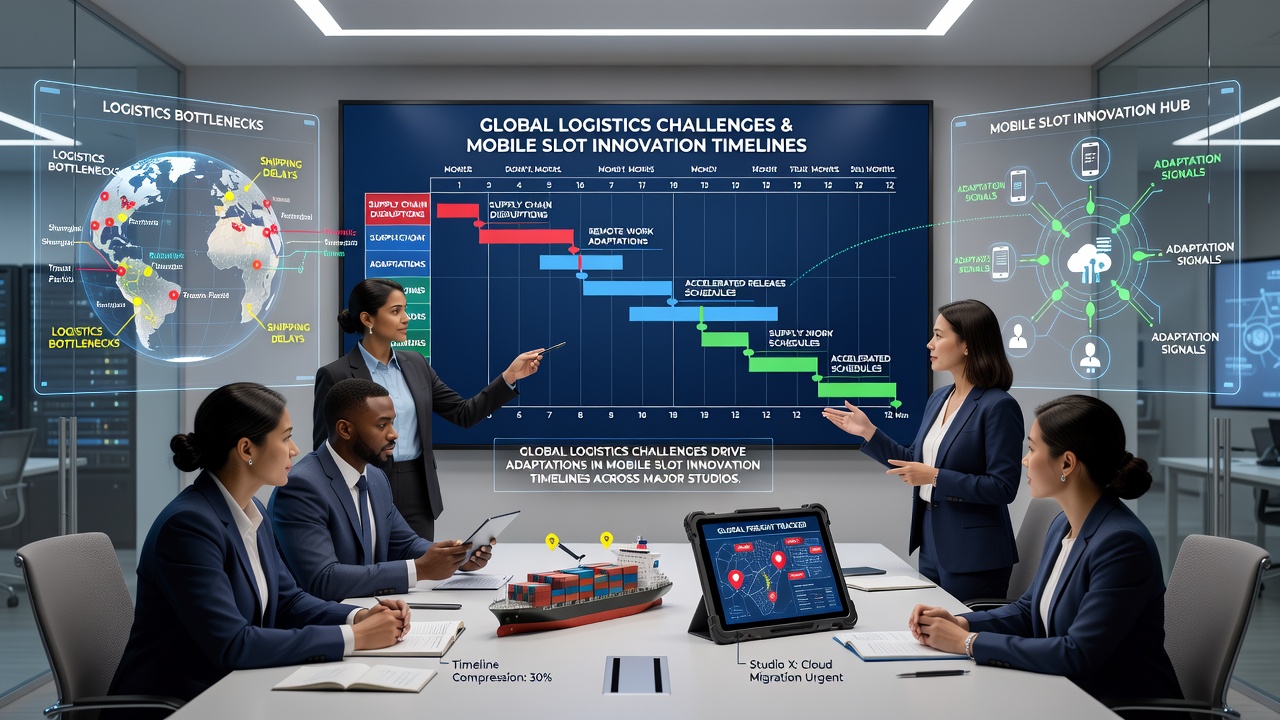
Studios operating across multiple continents experience uneven effects based on local infrastructure resilience and regulatory environments. Facilities in regions with robust domestic manufacturing see faster turnaround on replacement parts, while those reliant on international freight face compounded delays from customs processing extensions. Figures from regulatory filings in markets such as Australia reveal that compliance documentation requirements for imported equipment have lengthened by an average of three weeks, further influencing release sequencing decisions.
North American providers have leaned toward cloud-based simulation tools to bypass some physical hardware dependencies, allowing continued progress on game balancing and player engagement features during transit delays. This shift aligns with broader industry trends toward remote development capabilities that gained momentum after earlier disruptions, and data compiled by research groups shows corresponding reductions in project overruns for adopting studios.
Forward Planning and Industry Responses
Looking ahead, many studios now maintain buffer inventories of essential components and maintain relationships with secondary suppliers to distribute risk. These measures have proven effective in maintaining momentum for titles slated for later 2026 releases, though they increase operational overhead costs that studios absorb through efficiency gains elsewhere in their pipelines. Industry conferences scheduled for the second half of the year are expected to feature sessions on integrated logistics planning as a standard practice moving forward.
Conclusion
Supply chain pressures continue to drive measurable changes in how major studios structure mobile slot innovation cycles, with adaptations centered on flexible workflows, diversified sourcing, and enhanced digital tooling. These adjustments reflect responses to sustained global conditions rather than temporary setbacks, and ongoing monitoring by trade and academic bodies will track their long-term effects on release patterns through 2027 and beyond.