20 May 2026
Synchronized Senses: Audio-Visual Elements and Their Impact on Mobile Progressive Game Play Patterns
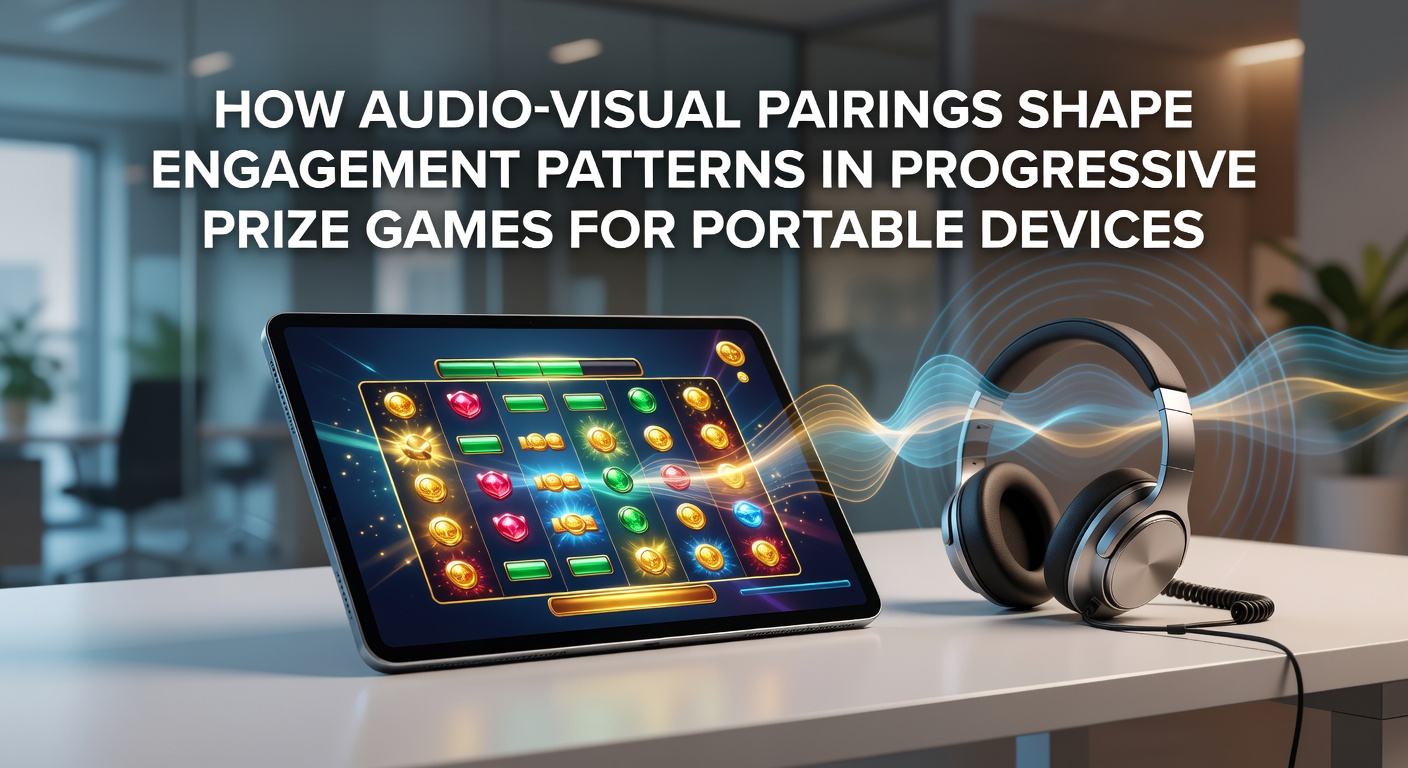
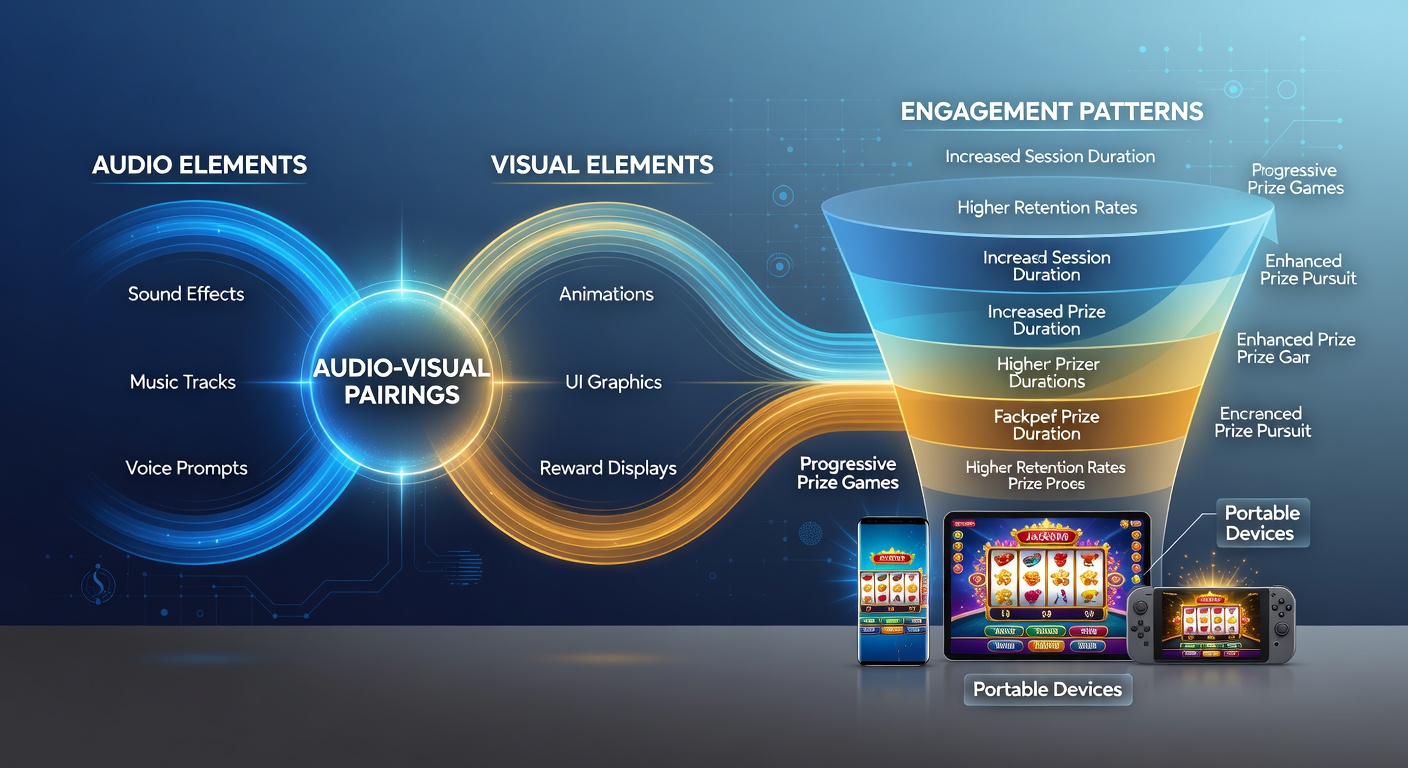
Progressive prize games on portable devices combine escalating jackpots with portable interfaces, and developers integrate audio-visual pairings to guide how users interact with these systems. Research indicates that sound effects aligned with visual triggers correlate with extended play sessions, as players respond to layered sensory inputs that reinforce reward anticipation. Data from mobile gaming analytics platforms shows average session durations rising when audio cues match jackpot meter animations in real time.
Developers build these pairings around core mechanics where visual progress bars pulse alongside rising audio tones, creating feedback loops that sustain attention during base gameplay. Studies conducted across multiple platforms reveal that users complete more spins when thematic soundtracks intensify during near-miss sequences, and this pattern holds across different device screen sizes.
Mechanics of Audio-Visual Integration in Portable Formats
Engineers synchronize audio layers with visual animations through precise timing protocols that adjust based on device processing capabilities. When a progressive multiplier activates, both the screen's color shifts and a distinct chime sequence play simultaneously, directing player focus toward accumulating prize pools. Observers note that such coordination reduces distraction from external notifications, allowing sustained engagement within the game environment.
Portable hardware constraints influence how these pairings scale, since smaller speakers and variable refresh rates require optimized asset compression. Industry reports document that games achieving sub-50 millisecond audio-visual latency maintain higher completion rates for bonus rounds compared to those with noticeable delays.
Observed Patterns from Engagement Data
Analytics collected in early 2026 highlight distinct behavioral clusters where players exhibit increased bet sizing immediately following synchronized celebratory sequences. One dataset compiled by university researchers at the University of Nevada tracked over 50,000 mobile sessions and found a 22 percent lift in repeat visits for titles employing dynamic soundscapes tied to prize progression visuals.
Patterns emerge most clearly during peak jackpot growth phases, when escalating visual effects pair with layered orchestral builds. Those who have examined longitudinal player logs report that such moments coincide with spikes in in-game purchases, particularly when the audio component includes personalized frequency adjustments based on prior session history.
Regional Developments and May 2026 Context
Regulatory updates scheduled for May 2026 in several jurisdictions emphasize responsible design standards for sensory features in mobile gaming. The Nevada Gaming Control Board has published guidelines requiring transparent disclosure of audio-visual intensity levels, and operators must now include optional mute functions that preserve visual reward indicators. Nevada Gaming Control Board documentation outlines these provisions as part of broader efforts to standardize player protection across portable platforms.
Meanwhile, Australian research groups have released comparative studies examining engagement across different audio-visual configurations in progressive titles. Their findings suggest that culturally adapted sound elements paired with localized visual themes produce measurable differences in daily active user metrics for international operators.
Technological Enablers and Future Adjustments
Advancements in haptic feedback integration allow audio-visual pairings to extend beyond sight and sound, with device vibrations timed to jackpot increments. Developers test these additions through controlled A/B deployments, measuring how combined sensory channels alter progression through prize tiers. Data indicates that multi-sensory alignment supports steadier engagement curves rather than abrupt drop-offs after initial wins.
Cloud-based rendering pipelines further refine synchronization by offloading complex visual calculations, freeing mobile processors for accurate audio playback. Those monitoring technical benchmarks note reduced frame drops during high-stakes bonus events when such infrastructure supports the pairings.
Conclusion
Audio-visual pairings continue to define interaction rhythms in progressive prize games on portable devices, with empirical measurements linking precise synchronization to sustained user activity. As May 2026 approaches and regulatory frameworks evolve, developers refine these elements using performance data from diverse markets. The resulting systems maintain consistent engagement patterns while adapting to hardware variations and regional requirements.