13 Jul 2026
Trade Fair Timelines Shape Mobile Slot Production Cycles Across Developing Regions
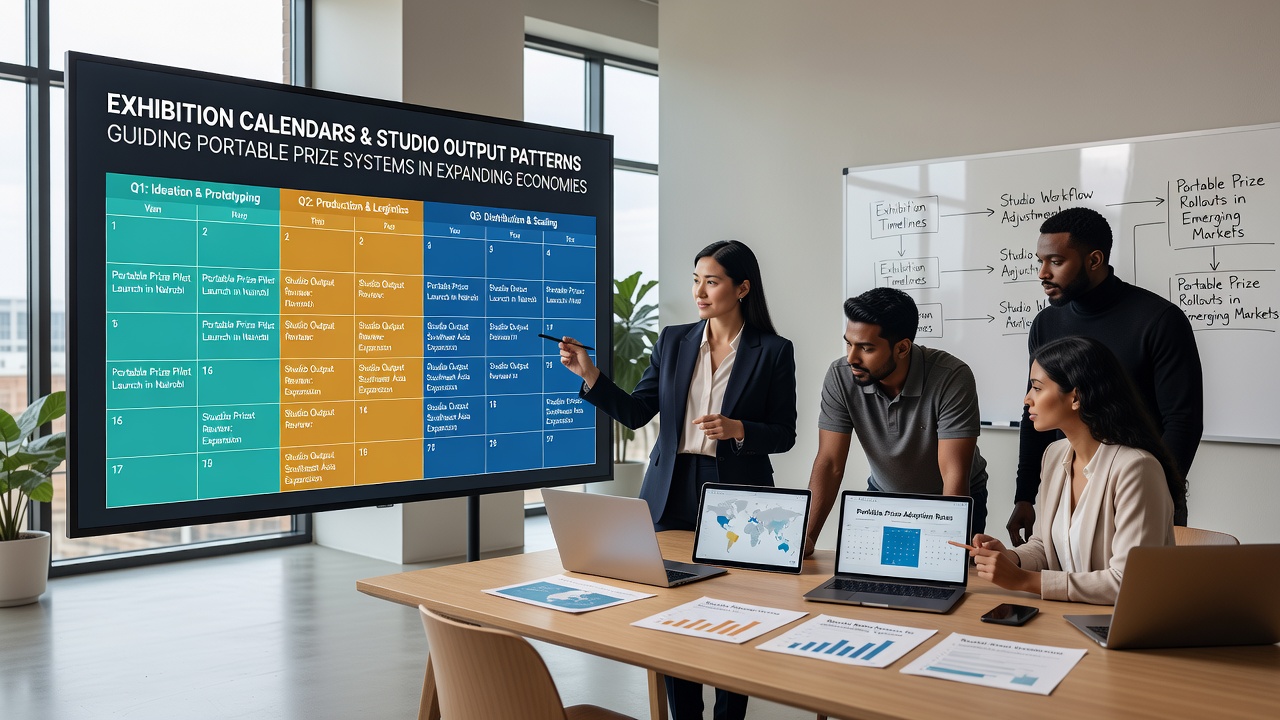
Exhibition calendars set the pace for many studios that develop mobile prize systems aimed at expanding economies, and data from industry tracking services shows clear alignment between major trade events and release schedules. Studios often finalize core mechanics and theme selections months ahead of events like the Asia Gaming Summit or the Latin America Gaming Expo, then adjust features based on feedback gathered on the show floor. This pattern holds steady through mid-2026, with July calendars already highlighting several regional gatherings that typically trigger follow-up development sprints.
Calendar Milestones and Development Windows
Observers tracking output from studios in Southeast Asia and Eastern Europe note that key exhibition dates create predictable production clusters. When a large international fair lands in March or September, teams accelerate asset creation and certification steps in the preceding quarter while post-event periods see rapid iteration on player metrics collected during demonstrations. Research from the Global Gaming Research Institute indicates that roughly 60 percent of mobile reel titles launched in markets such as Vietnam and Brazil between 2023 and 2025 followed this six-month lead-in cycle tied directly to exhibition timing.
July 2026 listings already include several smaller regional expos scheduled for Brazil and Indonesia, and those dates are prompting studios to prioritize localization work for local currency integration and regulatory compliance modules. The sequence allows developers to showcase early builds, gather distributor input, then lock final versions for regulatory submission before year-end rushes begin.
Output Patterns in Portable Prize Systems
Portable prize platforms require frequent updates to stay competitive, and exhibition cycles help studios sequence those updates efficiently. Rather than releasing features continuously, many teams batch innovations around show periods so they can demonstrate new volatility settings or bonus frameworks to potential partners in a single venue. Figures from the International Mobile Gaming Association reveal that studios serving growth markets release an average of 2.3 major title updates within eight weeks after attending a flagship exhibition, compared with 1.1 updates during quieter calendar stretches.
One documented case involved a developer preparing three separate mobile jackpot variants for the Indian subcontinent market. The team aligned internal milestones with the February edition of a South Asian gaming expo, which allowed them to secure licensing discussions and adjust prize pool structures based on live operator feedback before the summer certification window closed.
Regional Market Influences
Expanding economies present distinct regulatory and cultural requirements that studios must address, and exhibition calendars provide structured opportunities to test those adaptations. Markets in Africa and parts of Latin America often schedule their own local events between global fairs, creating secondary checkpoints that further refine output. Data compiled by the Pan-African Gaming Council shows increased theme localization requests submitted in the 45 days following regional showcases, particularly for cultural symbols and language packs.
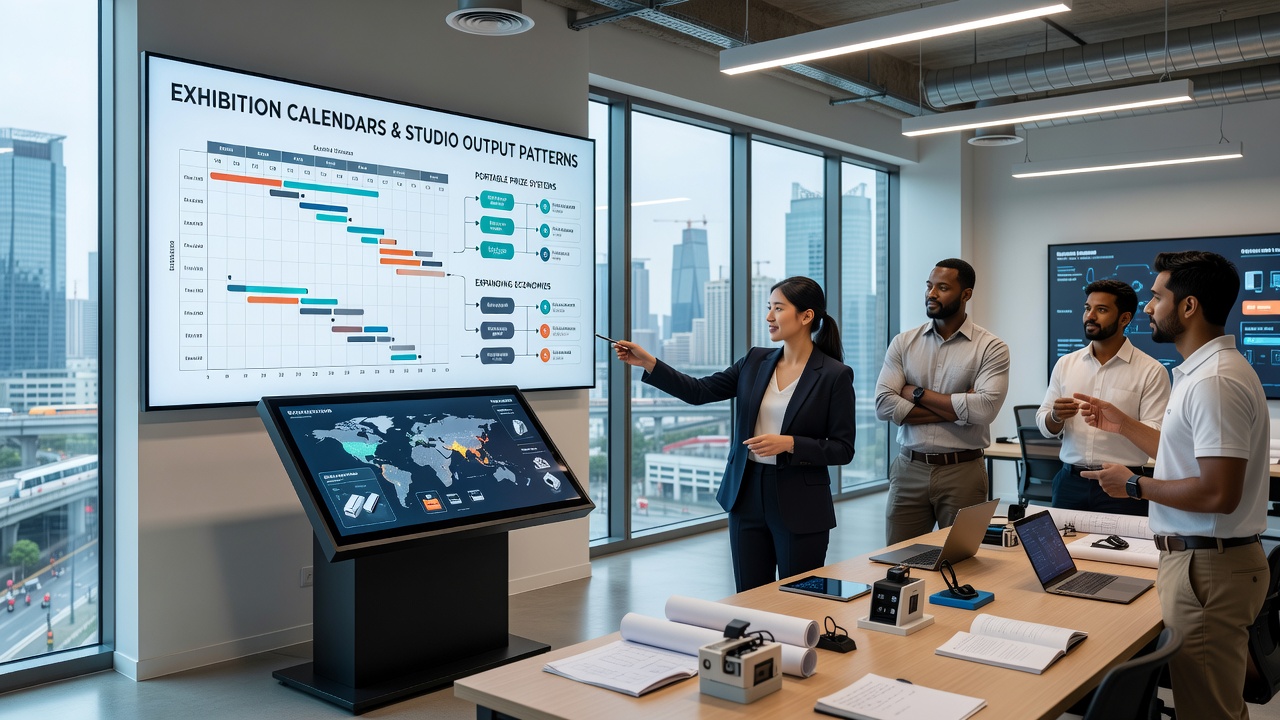
Studios also use these gatherings to coordinate with payment providers and local telecom partners, which speeds integration of region-specific deposit methods. When July events occur in time zones convenient for cross-border teams, collaboration on compliance documentation accelerates, reducing the typical lag between concept approval and live deployment.
Studio Resource Allocation
Resource planning inside development studios frequently revolves around exhibition deadlines rather than arbitrary quarterly targets. Art, sound, and compliance departments receive prioritized staffing in the lead-up to major fairs, while maintenance work on existing titles shifts to lower priority. Industry reports from the Asia-Pacific Amusement and Gaming Operators Association confirm that personnel hours dedicated to new portable prize titles peak approximately 90 days before scheduled exhibition appearances.
Yet the pattern also produces quiet periods after events conclude, during which teams analyze performance data and prepare documentation for subsequent shows. This rhythm helps studios serving multiple developing markets maintain consistent delivery without overextending engineering resources.
Conclusion
Exhibition calendars continue to function as primary coordination tools for studios producing mobile prize systems in expanding economies. The alignment between trade event dates and development milestones produces measurable clustering in release activity, with secondary regional gatherings adding further refinement steps. As July 2026 schedules fill out, the same timing mechanisms are expected to guide the next wave of localized content and compliance updates across target markets.